



The travel landscape has shifted. In 2026, the frantic “bucket-list” style of tourism is fading, replaced by a more meaningful philosophy: Slow Travel. For the modern traveler, Morocco is no longer just a collection of sights to be photographed; it is a tapestry of experiences to be lived. This guide explores how to navigate Morocco in 2026 through the lens of intentionality, sustainability, and deep cultural immersion.
Table of Contents
1. The Philosophy of Slow Travel in 2026
Slow Travel is the art of quality over quantity. Instead of visiting five cities in seven days, the 2026 traveler chooses one or two locations and settles in. It’s about waking up in the same Riad for a week, knowing the name of the man who sells you your morning msemmen, and understanding the rhythm of the local adhan (call to prayer). In Morocco, this approach isn’t just a trend—it’s a return to the roots of Maghrebi hospitality.
2. Why 2026 is the Year for Morocco
Morocco has invested heavily in sustainable infrastructure. With the expansion of the “Al Boraq” high-speed rail and a surge in eco-conscious “Boutique Riads,” the country is perfectly positioned for those who want to travel comfortably but responsibly. The focus this year is on “Hyper-Locality.” Travelers are seeking out the hidden gems that provide a “non-touristy” vibe, moving away from the crowded centers into the heart of the Medinas and the silence of the Atlas.




3. Strategic Destinations for the Slow Traveler
A. Fez: The Living Museum
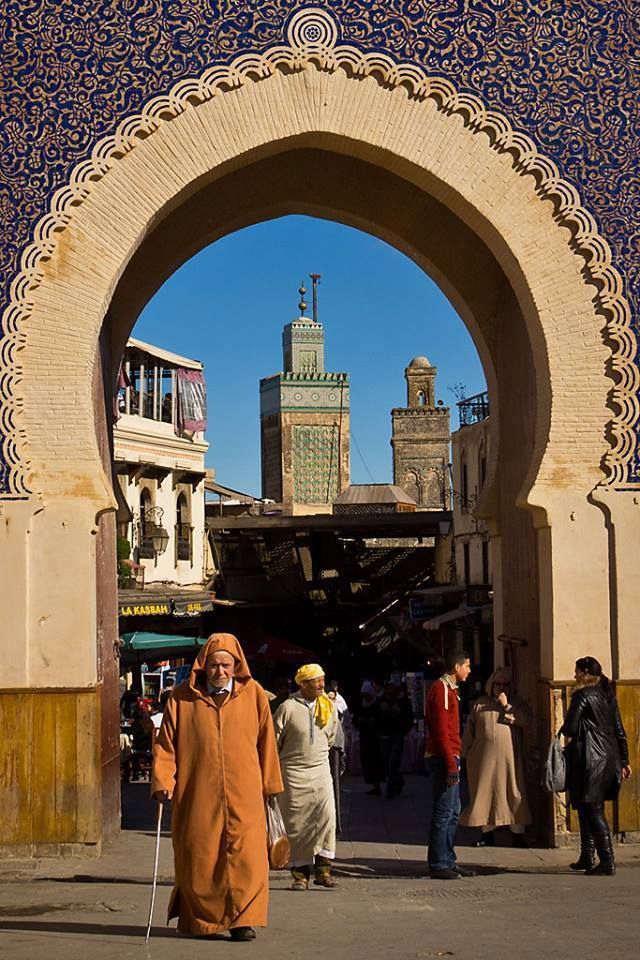
Fez remains the capital of authenticity. As the world’s largest car-free urban zone, the Fez Medina forces you to slow down. In 2026, the “Slow” way to experience Fez is through craftsmanship. Instead of a quick walk through the tanneries, book a three-day workshop with a master zellige artisan.
- Pro Tip: Stay in the Ziat or Ru’ah quarters to experience the quieter side of the city.
B. The Middle Atlas: Rural Serenity
Beyond the cities lies the Middle Atlas. Towns like Azrou and Sefrou offer a glimpse into the Berber way of life. This is the heart of “Slow Living.” Spend your days hiking through cedar forests and your evenings sharing tea with local families.
C. Essaouira: The Coastal Retreat
Essaouira has become the premier hub for the Digital Nomad life in Morocco. Its constant Atlantic breeze and artistic community make it the perfect place to work remotely while absorbing the local Gnaoua culture.
4. Travel Tech & Essential Hacks for 2026
To travel slow, you need to remove the “friction” of travel. Modern technology is the key to a stress-free experience.
- Connectivity: The best eSIM for Morocco is now a digital-first solution. Travelers in 2026 no longer wait in line at the airport; they activate their data before landing to ensure instant access to navigation and translation apps.
- Financial Hacks: Use travel-optimized cards like Revolut or Wise. Most “Slow Travel” spots—local cafes and small Riads—are now more integrated with digital payments, but carrying small change for the souks remains a top budget hack.
- Language: Investing time in learning basic Moroccan Darija (like “Bchwiya” – slowly) opens doors that no tour guide ever could.
5. Sustainable and Responsible Tourism
Slow travel is inherently more sustainable. By staying longer in one place, you reduce your carbon footprint and ensure your money stays within the local community.
- Eco-Lodges: In 2026, look for the “Green Key” certification in the Atlas and Sahara regions.
- Water Mindfulness: Morocco is a water-scarce country. Responsible travelers in 2026 prioritize Riads that use solar heating and water-saving technologies.
6. The Sahara: A Deep Desert Experience
Forget the “in-and-out” camel rides. The 2026 Sahara experience is about the Erg Chigaga dunes. It is more remote than Merzouga and requires a 4×4 journey that discourages the “mass tourism” crowd. Spend three nights in a luxury eco-camp, disconnected from the world and reconnected with the stars.
7. Culinary Immersion: From Farm to Tagine
The culinary trend of 2026 is “Hyper-Seasonal Eating.” Slow travelers are opting for “Farm-to-Table” experiences in the Ourika Valley or the outskirts of Fes. Learning to bake bread in a communal farran (oven) provides a deeper sensory memory than any restaurant meal.
8. The Digital Nomad Revolution
With high-speed fiber-optic internet now common in Riads, Morocco is a top-tier destination for remote workers. The “Slow Travel” movement overlaps perfectly with the Digital Nomad lifestyle. You can spend your mornings working from a sun-drenched rooftop and your afternoons exploring 1,200 years of history.
9. Safety and Logistics in 2026
Morocco remains a beacon of stability. The logistical “Slow Hack” for 2026 is to use the train network for long distances and private, local drivers for the “off-the-beaten-path” segments. This supports the local economy and allows you to enjoy the landscape without the stress of driving.
10. Creating Your 2026 Itinerary
A “Slow” itinerary doesn’t look like a list; it looks like a story.
- Week 1: The Northern Soul (Tangier, Chefchaouen, Fez).
- Week 2: The Mountain & The Sand (Middle Atlas, Erg Chigaga).
- Week 3: The Atlantic Breeze (Essaouira, Taghazout).
Conclusion: The Gift of Time
In a world that is moving faster than ever, Morocco offers the gift of time. Slow Travel in 2026 isn’t just about where you go; it’s about who you become during the journey. By choosing to stay longer, listen deeper, and walk slower, you don’t just visit Morocco—you let Morocco change you.