


Chouara Tannery is one of the best-known craft landmarks in Fes, Morocco. The traditional vats and surrounding workshops offer a visible connection between raw hides, skilled labour, and the leather goods sold throughout the medina. A visit is not simply a photo stop: it is an opportunity to understand a demanding craft, ask how leather is processed, and see how a historic working district fits into the life of the city.
Conditions, access arrangements, and the visitor experience can vary, so plan with flexibility. Some viewpoints are reached through nearby shops or terraces, and sellers may invite visitors inside. You are not obliged to purchase anything to appreciate the site. This guide covers the craft context, what you may see, comfort and etiquette, how to assess leather products afterwards, and how to make your visit useful without treating workers or residents as part of a staged attraction.
Quick answer: Chouara Tannery is best visited as a working craft district: plan flexible time, follow safety guidance, ask before photographing people, and assess any leather purchase separately.
What Chouara Tannery is
Chouara is a traditional tannery in the old medina of Fes, where hides are processed for use in leather products. The coloured vats are visually striking, but the work behind them involves several stages, including cleaning, treating, softening, dyeing, drying, and preparing hides for makers. Exact processes vary by workshop and material, so avoid assuming that every hide follows an identical sequence or that every colour comes from one ingredient.
The tannery is part of a wider craft network rather than a standalone attraction. Tanners, leather workers, dyers, traders, and shopkeepers contribute different skills. The Moroccan National Tourist Office identifies leather tanneries among the key places to visit in Fes and describes the medina as a living setting for traditional craftsmanship. The site’s significance lies in continuing work as well as its history, which is why respectful observation matters.
Why the craft takes time
Leather production is a sequence of linked operations, not a single act of colouring a hide. Hides need preparation before they can become finished material, and the quality of the final leather depends on the raw material, treatment, drying, handling, and later finishing. Each stage can affect softness, strength, smell, surface appearance, and how well a finished item ages. The process is physical work carried out in conditions that may be unfamiliar to visitors.
Traditional methods should not automatically be romanticized as easy, harmless, or unchanged over centuries. Workshops may combine inherited techniques with newer materials or tools, and practices can differ. If a guide or worker explains a stage, listen for specific details rather than repeating a simplified story as universal fact. Ask open questions about hide preparation, colour, and quality checks, while accepting that some production information may be private or commercially sensitive.
What visitors can expect
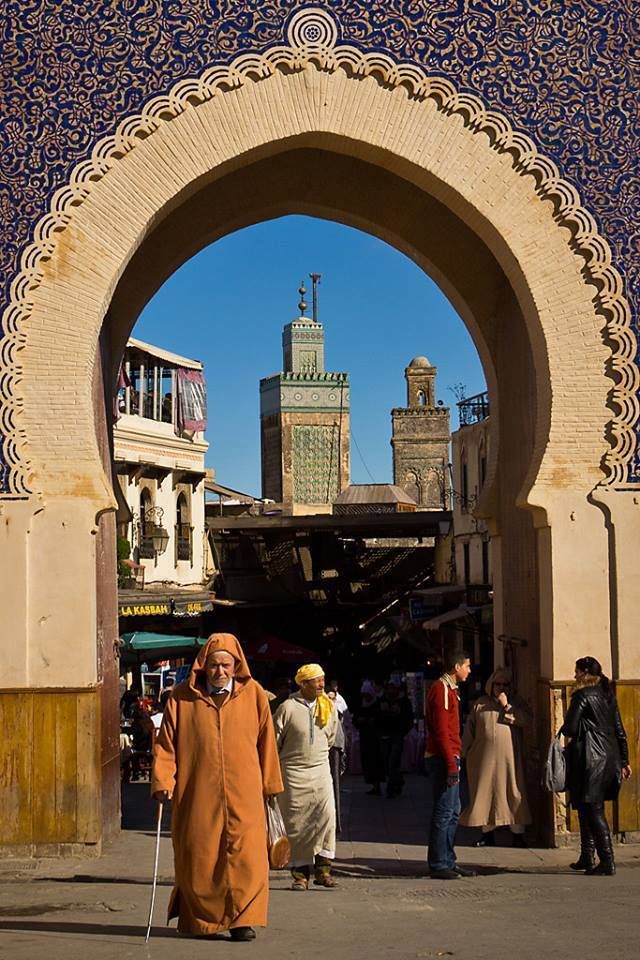
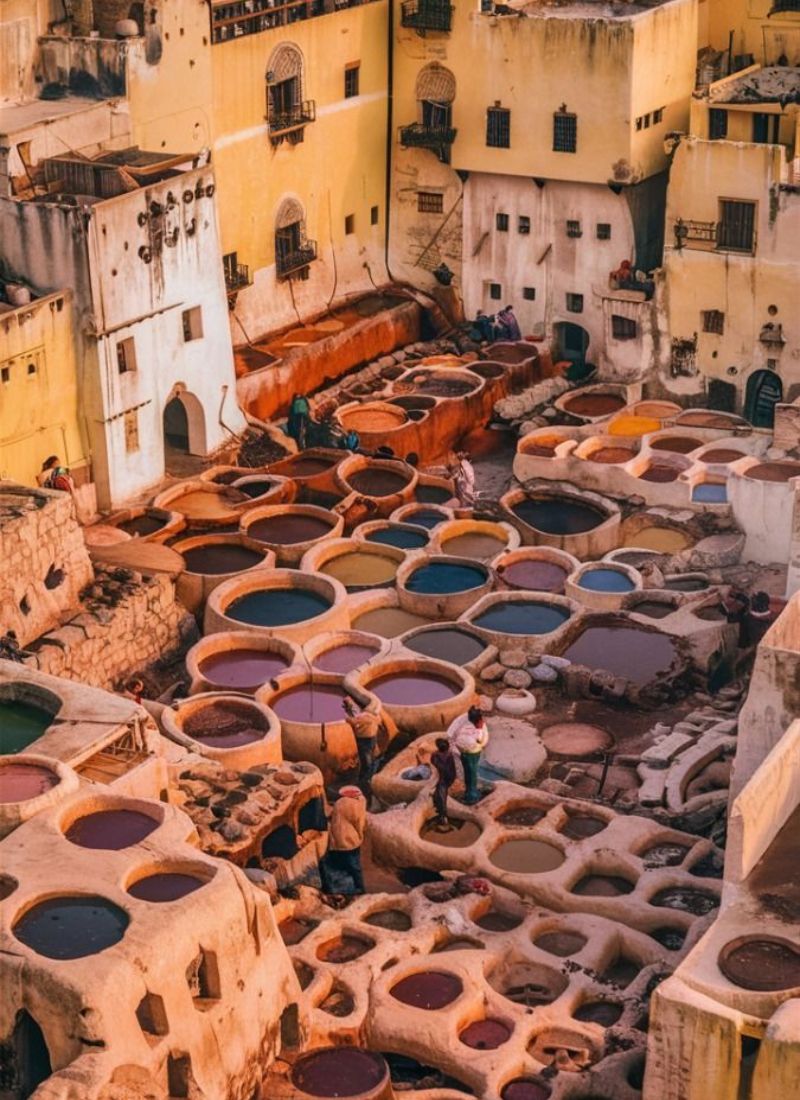
Visitors commonly view the tannery from an elevated terrace or nearby vantage point rather than walking through every working area. The view may include vats, workers moving between them, hides drying, and neighbouring buildings. The scene can be busy, and the best viewpoint at a particular time may depend on access, weather, and the activity taking place. Do not expect a museum-style display with labels at every stage; the setting is a working district.
Some shopkeepers offer mint leaves or another scented herb because the smell of tanning can be strong. The scent may make the view more comfortable, but it does not remove the smell entirely. If you are sensitive to strong odours, heat, heights, or crowded stairways, keep the visit short and choose a vantage point that feels safe. You can leave whenever you want. A pleasant experience does not require staying longer than your comfort allows.
Timing, weather, and comfort
Try to avoid scheduling the tannery visit as a rushed stop between two fixed activities. Morning and afternoon conditions can feel different depending on season, temperature, and the work underway, and there is no guarantee that the vats will look exactly like a photograph. Check local conditions before you go and allow time to reach the viewpoint through the medina’s lanes. If you are on a guided tour, confirm how long the stop will last and where the group will meet afterwards.
Wear comfortable shoes with a secure sole because medina paths and stairs can be uneven. Carry water, protect yourself from strong sun, and keep valuables secure in crowded passages. If the viewpoint is reached through a shop, ask whether there is any purchase expectation before going up. You can politely decline to buy. If someone has provided a service or detailed explanation, a thank-you is appropriate, and any tip or payment should be clear rather than assumed.
Photography and respectful behaviour
Ask before photographing individual workers, shopkeepers, or private workshop spaces. A wide view of the vats is different from a close portrait of someone doing physical work. Avoid blocking pathways, leaning over barriers, or using a flash in a way that distracts people. If someone declines a photograph, respect that answer without negotiation. The tannery is a workplace and part of a lived neighbourhood, not a set built exclusively for visitors.
Use care when sharing images online. Captions should distinguish what you actually observed from what you inferred, and you should not claim to have witnessed a specific production method unless you were shown it. Avoid presenting workers as anonymous props or implying that every workshop operates in exactly the same way. A thoughtful caption can explain the role of traditional leatherwork in Fes while acknowledging that practices and conditions vary between businesses.
What to bring and what to expect
| Item | Why it helps | Practical note |
|---|---|---|
| Secure, comfortable shoes | Uneven lanes and stairways | Choose grip and comfort over fashion |
| Water and sun protection | The medina can feel warm and crowded | Keep your bottle secure in a bag |
| Small amount of cash | Some small purchases or services may be cash-based | Confirm amount and currency before paying |
| Camera or phone | For wide views and travel memories | Ask before photographing people or private spaces |
| Flexible schedule | Access and activity can vary | Avoid booking the stop too close to a departure |
How the tannery connects to leather shops
Finished leather can become bags, belts, wallets, babouches, poufs, jackets, and other goods. The quality of a finished product depends not only on tanning but also on cutting, stitching, lining, hardware, pattern, and finishing. Seeing a tannery does not prove that a particular bag in a nearby shop was made from hides processed there. Ask the seller where the item was made and whether the material can be traced to a specific workshop if that information matters to you.
When shopping, inspect seams and stress points first. Handles should be securely attached, zippers should move smoothly, and edges should be finished consistently. Ask about leather type and care requirements. If the seller uses a broad phrase such as “real leather,” request a more precise explanation. For product checks, read the genuine Moroccan leather guide and compare your findings with the wider Moroccan souks guide.
Understanding colour, smell, and finish
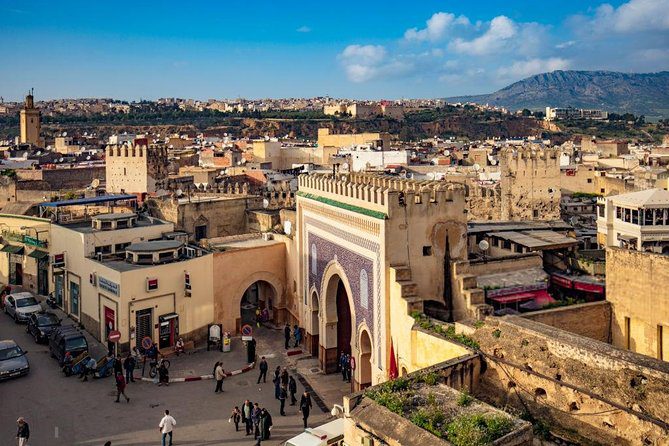
Visitors often focus on the bright colours of the vats, but colour alone does not reveal the full process or the final quality of leather. Different dyes, treatments, and finishing steps can produce different results, and not every finished item retains the same appearance as a wet or freshly treated hide. A strong smell is not a reliable test of authenticity, and a lack of smell does not automatically mean that a product is synthetic. Use material information and physical inspection together.
Ask how the finished item should be protected from water, sunlight, abrasion, and storage humidity. Some leather products darken or soften with use; others have coatings that change how the surface behaves. If the seller cannot answer every technical question, that is not by itself proof of dishonesty, but be cautious about claims that cannot be explained. For a higher-value purchase, compare several sellers and request a receipt describing the item rather than relying on a verbal assurance.
Local economy and cultural context
The tannery is one part of the wider medina economy. The surrounding streets support workshops, traders, guides, transport, food businesses, and residents who use the area for everyday purposes. A visitor’s spending can support local work, but it is most useful when the transaction is transparent and the visitor understands what is being sold. Buying something is optional; paying for a clearly offered service or choosing a local guide can also support the people who make the visit possible.
Fes’s historic medina is recognized by UNESCO for its urban fabric, monuments, and long cultural history. That recognition does not freeze the city in the past. The medina remains a place where people live and work, and traditional crafts adapt to changing markets. Treat the tannery as both a heritage site and a contemporary workplace. This perspective helps avoid the false idea that authenticity requires workers to preserve every practice exactly as it once was.
Combining the tannery with the rest of Fes
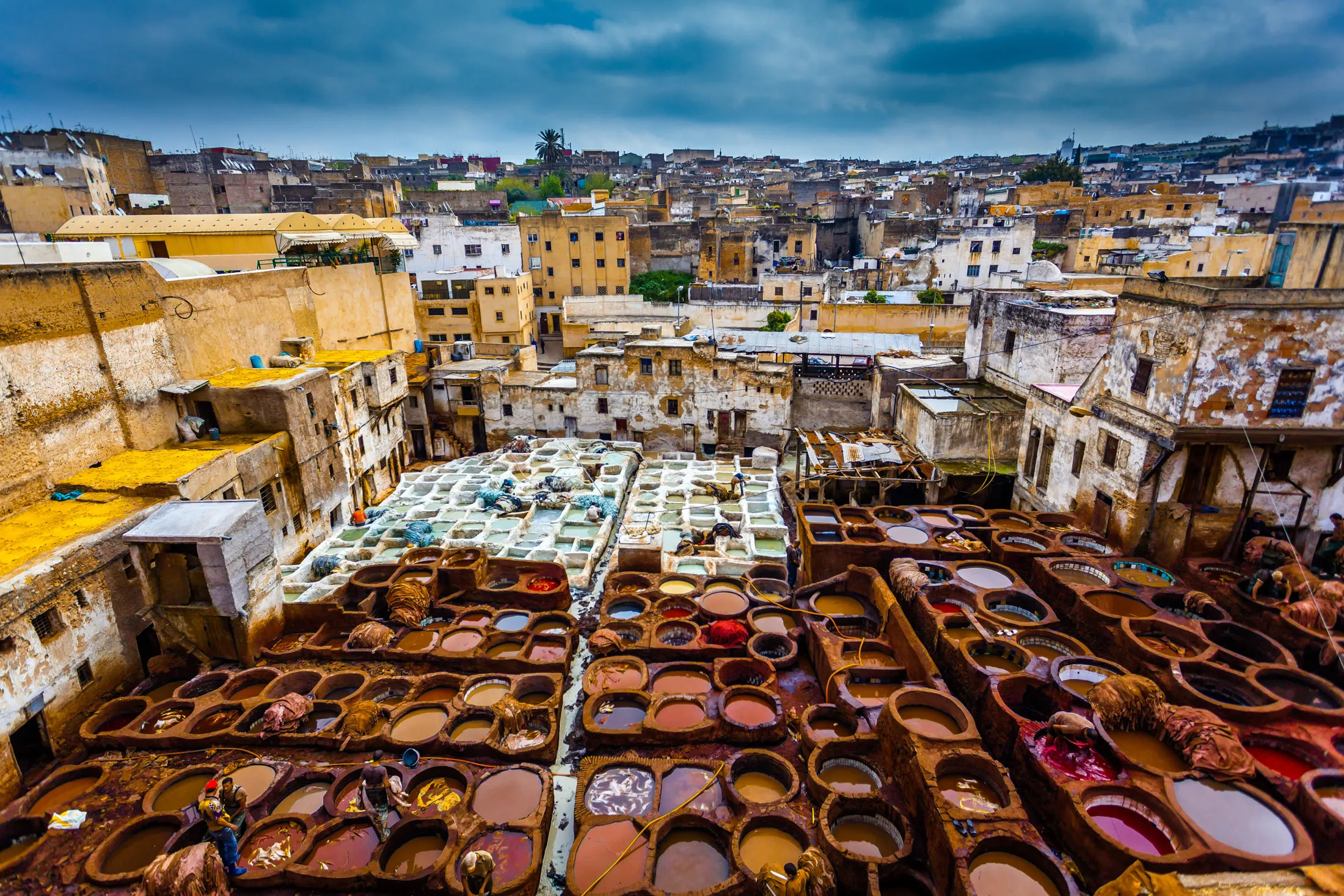
A tannery visit fits naturally into a broader medina walk that may include historic streets, craft shops, architectural landmarks, and food stops. Leave enough time for navigation because the lanes can be confusing to first-time visitors. If you are meeting a driver outside the medina, confirm the exact meeting point rather than relying on a general instruction such as “near the gate.” Save your accommodation details offline in case mobile coverage or battery life becomes an issue.
For a wider itinerary, use the Fes travel guide and review Morocco tours from Fes if you plan to continue to other destinations. If your schedule includes a rug or handicraft purchase, keep the shopping appointment separate from the tannery visit so you are not carrying fragile or expensive goods through the medina for the rest of the day.
A responsible visitor checklist
Before arriving, decide whether you mainly want to learn about the process, take a wide photograph, or shop for leather goods. This simple choice helps you manage expectations and reduces pressure to do everything in one stop. Ask about access before entering a shop, keep to safe viewing areas, and follow any instructions given by workers or staff. If you have breathing sensitivities or mobility limitations, make a plan that allows you to skip stairs or leave early.
After the visit, separate what you saw from what you were told and from what you later read. The most useful guide is one that explains uncertainty honestly. If you buy a product, assess it on its own workmanship and written description rather than assuming that proximity to a famous tannery guarantees quality. This approach respects the craft and helps you make a better purchase.
Practical checklist
- Confirm the meeting point and approximate visit duration before entering the medina.
- Ask whether a shop viewpoint has a fee or purchase expectation before going upstairs.
- Stay within safe viewing areas and never lean over vats or barriers for a photograph.
- Ask permission before photographing workers, shopkeepers, or private workshop spaces.
- Treat any product purchase separately from the tannery visit and inspect its construction.
- Check official sources and local guidance rather than repeating unverified claims about age or process.
Questions readers often ask
Is Chouara Tannery worth visiting?
For travellers interested in traditional crafts and the history of Fes, it can be a memorable stop. The experience depends on access, weather, comfort with strong smells, and the activity taking place.
Can visitors walk inside the tannery?
Access arrangements vary. Many visitors view the working area from nearby terraces or vantage points. Follow local safety instructions and do not enter restricted work areas.
Why is the smell strong?
Tanning involves preparing and treating hides, and the smell can be intense. Scented herbs may be offered at some viewpoints, but they do not remove the odour entirely.
Do I have to buy leather goods after visiting?
No. If you enter a shop for a viewpoint or explanation, clarify any expectations and feel free to decline a purchase politely.
Are all leather goods nearby made at Chouara?
Not necessarily. Ask where a specific item was made and what material it uses. A shop’s proximity to the tannery is not proof of its product’s origin.
What is a reliable source for Fes heritage information?
Use the Moroccan National Tourist Office’s Fes guide and UNESCO’s Medina of Fez listing for broader historical context.
Additional practical notes
A visit can prompt useful questions about sustainability and working conditions. It is better to ask what a seller or guide can explain than to assume that a traditional method is automatically environmentally friendly or that a modern method is automatically inferior. Tanning can involve chemicals and wastewater management, and practices differ among workshops. If a source makes a broad environmental claim, look for specific evidence rather than repeating it as fact.
Families travelling with children may prefer a short visit and a clear plan for regrouping. The medina is busy, and the viewpoint may involve stairs or narrow entrances. Explain in advance that the vats are part of a workplace and that workers should not be interrupted for photographs. Keep children close to adults, follow barriers, and leave if the odour or crowd becomes uncomfortable.
Travellers with a tight schedule should avoid treating the tannery as a guaranteed quick stop. Walking through the medina, finding the correct entrance, waiting for a viewpoint, and returning to a meeting point can take longer than expected. If the tannery is a priority, schedule it early enough that you can enjoy the experience without rushing. A flexible plan is more reliable than assuming every attraction will fit into a fixed fifteen-minute window.
Visitors sometimes expect the tannery to operate like a formal museum with fixed opening hours, explanatory signs, and a standard route. A working craft district may not offer that kind of experience. Access can depend on the viewpoint, the shop or terrace being used, and activity on the day. Be flexible and let local safety instructions take priority over a planned photograph. If you are travelling with a group, agree on a meeting point before anyone separates to browse nearby shops.
Do not judge a worker’s skill or the quality of a tannery from a brief view alone. The visible vats show only part of a longer production process, and different workshops may use different methods or materials. If a guide explains a stage, treat it as an introduction rather than a complete technical account. Reliable learning comes from combining observation with clear questions and credible sources. Avoid repeating precise claims about age, quantities, or chemical formulas unless you have a source that supports them.
After the visit, give yourself time to wash your hands if you have touched shared surfaces, drink water, and move to a less crowded street before reviewing photographs. If you purchase leather goods, keep them separate from food and fragile items in your bag. For anyone who found the smell uncomfortable, a short visit is enough; you do not need to endure discomfort to prove interest in the craft. The best travel experience respects both your own limits and the people working in the district.
If you prefer a deeper cultural visit, pair the tannery with a broader walk through the medina rather than treating it as an isolated photo stop. Historic streets, craft districts, architecture, and everyday commerce help explain why the tannery remains part of the city’s identity. Use a guide who welcomes questions and makes room for independent observation. A good visit should leave you with a better understanding of the craft and its context, not simply a photograph of coloured vats.
If weather changes the conditions around the viewpoint, do not try to force the visit. Rain, heat, crowding, or maintenance may affect access and comfort, and a working site can change from day to day. Ask a local host or guide about current conditions, keep an alternative medina activity in mind, and do not treat a specific photograph as a guarantee of what you will see. The purpose of the stop is to learn about leatherwork and the city, not to reproduce an exact image.
Official sources and further reading
- Moroccan National Tourist Office: Fes
- Moroccan National Tourist Office: Traditional Craftsmanship
- UNESCO: Medina of Fez
Final thoughts
Chouara Tannery is best approached with curiosity, realistic expectations, and respect for the people working there. Learn what you can, protect your comfort, ask before photographing people, and evaluate any leather product on its own merits. A thoughtful visit adds depth to a Fes itinerary without turning a living craft district into a checklist.
