


Moroccan metalwork includes decorative and practical objects such as trays, bowls, teapots, lanterns, candleholders, mirrors, and engraved serving pieces. In historic medinas, these objects sit alongside textiles, leather, ceramics, and woodwork, making shopping part of a wider encounter with craft traditions. Fes is one of the Moroccan cities associated with traditional metalworking, but products in a shop may use different metals, finishes, and production methods. The name of a city or craft alone does not tell you what a specific object is made from.
This guide explains how to compare copperware and brass objects, what to inspect before buying, how to care for metal finishes, and how to transport a purchase safely. It is written for visitors who want a decorative souvenir or a piece for regular use. The most important rule is to ask what material you are buying and whether it is intended for food, drink, or decoration. A beautiful object becomes a better purchase when its construction, care needs, and purpose are clear.
Quick answer: For copperware, verify the metal and finish, check joins and edges, confirm whether it is intended for food or decoration, and plan for safe packing.
Copper, brass, and plated finishes are not the same
Copper is a reddish metal, while brass is an alloy whose colour can range from yellow to warmer golden tones. Other objects may be plated, lacquered, or made from mixed materials. Colour alone is not enough to identify the material because surface treatments can change appearance. Ask the seller to describe the metal and any finish, and check the underside or an inconspicuous area where the construction may be easier to see. Do not scratch the object to test it.
Material matters for weight, care, tarnish, durability, and price. A plated decorative item may be suitable for display, but it should not be sold as solid copper if that is not what it is. Some objects combine a metal surface with another core or include wood, glass, or other components. Ask which parts are metal and whether the finish is intended to be polished. A clear description helps you compare similar items and prevents disappointment after the colour changes with use.
Common objects and how they are used
Metalwork shops may carry serving trays, bowls, teapots, lanterns, candleholders, mirrors, decorative plates, and small accessories. A tray may be intended for serving or display; a lantern may be designed for a candle or may be purely decorative. Ask how the seller expects the item to be used and whether any part is suitable for contact with food or liquid. Decorative metalwork is not automatically safe for every kitchen use, especially when the surface contains lacquer, plating, solder, or unknown coatings.
Choose the object according to its role at home. A large engraved tray can be a focal point but may be heavy and awkward to store. A small bowl or candleholder is easier to pack but still needs a stable base and safe edges. For lanterns, check hinges, glass panels, openings, and whether the item can stand without wobbling. For a teapot, check the lid, handle, spout, and interior finish. Function should be checked before decoration.
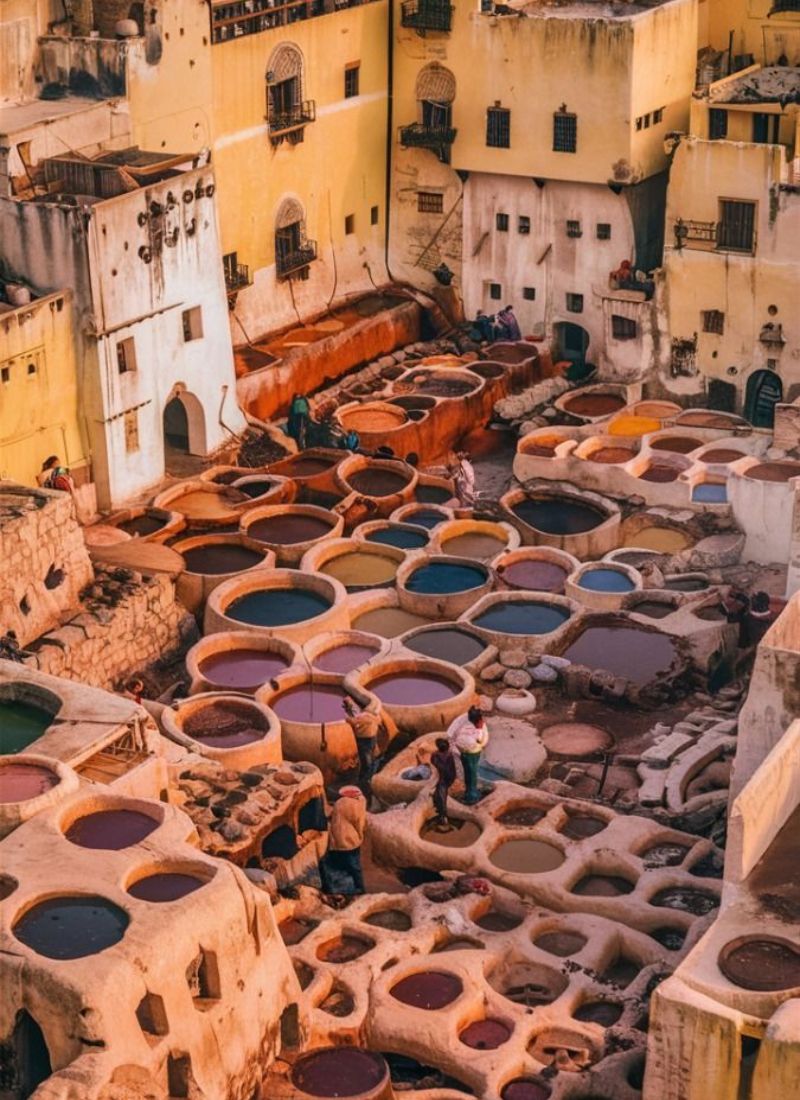
Reading the workmanship
Look at the joins, edges, handles, feet, and symmetry of the object. Engraving may be cut by hand, machine, or a combination of methods, and the degree of variation differs. Do not assume that every irregular line proves handwork or that every precise pattern is machine-made. Instead, ask the seller to explain which parts were worked by hand and inspect whether the overall construction is sound. A decorative pattern cannot compensate for a loose handle or sharp unfinished edge.
Turn the object over if the seller permits it. The underside may reveal how a handle is attached, whether seams are neat, and whether the finish covers the whole piece. Check for dents, cracks, unstable feet, loose solder, or glass that moves in its frame. Small variations may be normal for a hand-finished item, but functional defects should be discussed before payment. If you are buying a high-value object, compare several examples and ask for a receipt with the material description.
Engraving, pattern, and design
Moroccan metalwork often uses geometric, floral, or repeating motifs that relate visually to other decorative traditions, including woodwork and tilework. The design can be subtle or dense, depending on the object and maker. Look at the spacing and clarity of the pattern, but do not treat visual complexity as a direct measure of value. A simpler piece may have better balance and construction than a heavily decorated item. Consider how the object will look in the light and space where you plan to use it.
If you are choosing a gift, think about the recipient’s style and practical needs. A compact tray may suit someone who enjoys hosting, while a lantern may be better for a person who likes decorative lighting. Ask whether the finish will change over time and whether it should be polished. If the object is meant for outdoor use, confirm that it is suitable for exposure to weather; many decorative finishes are intended for indoor settings. A design that suits the recipient is more meaningful than a purchase made only because it looks elaborate.

Price, bargaining, and value
Price depends on material, size, thickness, labour, complexity of engraving, finish, hardware, and shop overhead. A large solid-metal object is not comparable to a lightweight plated decoration. Ask the seller to explain material and workmanship, then compare similar items in more than one shop. If you bargain, keep the conversation respectful and realistic. There is no universal fair price for every object, and a low price does not automatically mean a bargain if the item is not built for the use you have in mind.
Before paying, confirm the final price and currency, whether packaging is included, and whether shipping is available. For expensive pieces, ask for a receipt that describes the object rather than a generic line. If the seller makes a claim about age, origin, or a particular maker, ask what supports it. You do not need a dramatic story to appreciate a metal object. Clear information about material, construction, and care is more useful than an unsupported claim that the piece is rare or ancient.
Copperware buying checklist
| Check | Questions to ask | Warning signs |
|---|---|---|
| Material | Is it copper, brass, plated, or mixed? | Vague material claims on an expensive item |
| Construction | Are handles, feet, joins, and edges secure? | Loose parts, sharp edges, unstable base |
| Use | Is it decorative or safe for food and drink? | No clear answer about intended use |
| Finish | Is it lacquered or meant to develop patina? | Peeling finish or unexplained coating damage |
| Packing | Can it be safely wrapped or shipped? | No protection for glass or protruding parts |
| Receipt | Can the item and price be described in writing? | No record for a costly purchase |
Caring for copperware and brass
Metal care depends on the metal and surface finish. Copper and brass can develop patina or tarnish, and some objects are lacquered to slow that change. Abrasive polish, acidic cleaners, or rough pads may damage a finish. Ask the seller whether the object should be polished, wiped dry, or left with its existing patina. If the piece is decorative, gentle dusting may be enough. If it is used for serving food or drink, follow product-specific guidance and avoid using it for purposes the seller cannot confirm as suitable.
Keep metal objects dry after cleaning unless the seller recommends another method, and store them so they do not rub against harder items. If a tray has an inlaid or plated surface, test any approved cleaner on a hidden area first. Glass in a lantern should be checked for secure seating before transport. For a valuable antique or delicate object, consult a specialist before removing patina or attempting a repair. Care should preserve the finish rather than make every metal item look bright and new.

Buying in Fes: context and questions
Fes is a useful place to explore metalwork as part of the wider craft culture of the medina. The Moroccan National Tourist Office describes traditional craftsmanship across the country and identifies metalwork among the arts visitors may encounter. That context helps explain why copperware sits alongside leather, ceramics, and textiles in the shopping experience. It does not mean every object sold in Fes was made locally, so ask the seller about origin when it matters to your purchase.
Use the same basic questions in each shop: What metal is this? Is it plated or lacquered? Is it intended for food or decoration? Which parts are handmade? How should it be cleaned? Can it be shipped safely? For a broader shopping route, see the Moroccan markets and souks guide and the Fes travel guide. Those pages help with trip planning, while the seller remains the source for details about the specific object.
Packing and shipping metal objects
Metal objects can be heavier than they look, and protruding handles, glass panels, or engraved edges can be damaged during travel. Ask the seller to wrap the item and protect corners, handles, and delicate components. If you are carrying it in luggage, check weight and dimensions before buying. Large trays may not fit safely in a suitcase, and lanterns may need a box rather than soft wrapping. Take a photograph of the object before it is packed and keep the receipt.
For shipping, request a written quote that includes packaging, delivery method, tracking, insurance, estimated delivery time, and excluded fees. Confirm who is responsible if the item arrives damaged. Customs duties and taxes may be separate from shipping charges. If the item includes wood or plant-based materials, check the destination’s import requirements as well as any rules that apply to the metal object itself. Do not rely on a verbal statement that a shipment is “all included” without a written breakdown.

Choose an object that suits your home
Think about scale, light, colour, and storage. A large tray can work on a low table or wall display, but it may overwhelm a small shelf. A lantern can create patterned shadows, but it needs a safe position and appropriate light source. A decorative bowl may be beautiful but should not be used for food unless its material and finish are suitable. Decide whether the item is a daily-use object or a display piece, then inspect it according to that purpose.
Bring a room photograph or measurements when shopping if the object must fit a specific place. Ask whether the finish is likely to change and whether the seller can provide a care recommendation. If you are buying a gift, consider the recipient’s home, maintenance preferences, and ability to store the item. A thoughtful object is not necessarily the largest or most ornate one. The best purchase is the one that will be used or appreciated without creating avoidable practical problems.
Respecting craft knowledge
Metalwork is a skilled activity involving tools, materials, pattern planning, and repeated finishing steps. If you visit a workshop, ask permission before taking photographs and do not touch tools or unfinished work without invitation. A maker may be willing to explain the process, but should not be expected to interrupt production for a long demonstration. Listen to what is shared and avoid presenting one workshop as representative of every metalworker in Morocco.
Craft traditions continue to change as makers respond to new customers and uses. A contemporary tray inspired by traditional geometry can still be a meaningful product, even if it is not antique. The key is honest description. Ask what is traditional about the technique, what is modern about the design, and what materials were used. This approach respects the maker and gives you a clearer understanding of the object you are taking home.
Practical checklist
- Ask whether the object is copper, brass, plated, lacquered, or made from mixed materials.
- Inspect the underside, joins, handles, feet, edges, and any glass or moving parts.
- Confirm whether the object is decorative or intended for food or drink.
- Ask how the finish will age and what cleaning method is appropriate.
- Agree on the full price, packaging, shipping, insurance, and any extra fees in writing.
- Keep the receipt and a photograph of the object before packing.
Questions readers often ask
Is Moroccan copperware always made from solid copper?
No. Products may be copper, brass, plated, lacquered, or made from mixed materials. Ask the seller for a clear description.
Can I use a decorative tray for food?
Only if the material and finish are suitable for food contact. Ask the seller for specific guidance rather than assuming every tray is functional tableware.
How do I clean Moroccan brass or copper?
Follow product-specific care instructions. Some finishes should not be polished aggressively, and lacquered surfaces may need different treatment.
Is every engraved object handmade?
Not necessarily. Some processes may be manual, machine-assisted, or mixed. Ask which parts were made by hand.
How should I bring a large tray home?
Check weight and dimensions, protect edges and surface, and consider insured shipping if it cannot be packed safely in luggage.
Where can I learn about Moroccan metalwork traditions?
The Moroccan National Tourist Office’s traditional craftsmanship guide provides a broad cultural overview.
Additional practical notes
If you are comparing two trays, place them side by side and check the underside, thickness, edge finish, and balance. One may have more elaborate engraving, while the other may be better suited to daily use. Ask whether the finish is meant to stay bright or develop a patina. The answer helps you decide whether the object fits your maintenance preferences. A buyer who wants a low-maintenance piece should not choose an item that needs frequent polishing without understanding that commitment.
Lanterns and objects with glass deserve an extra safety check. Confirm that the glass is secure, edges are not sharp, and the object is stable on a flat surface. Ask what type of candle or light source is intended and whether heat could affect the finish. If the item is purely decorative, do not convert it to a functional lamp without understanding its construction. Safe use is part of quality, not an afterthought.
Metalwork can be a meaningful gift because it is durable and visually distinctive, but it may be heavy to carry and may not suit every household. Think about the recipient’s available space, style, and willingness to care for metal surfaces. Small objects can preserve the look of a craft tradition without creating storage or shipping problems. If you buy several pieces, wrap them separately so edges do not scratch one another in transit.
If the object is meant to serve food or drink, be particularly careful about the interior surface. A decorative coating, plating, solder, or unknown lining may affect whether the object is appropriate for contact with food. Ask the seller directly and request product-specific guidance. If the answer is unclear, treat the object as decorative rather than assuming it is safe for everyday use. This is a sensible precaution for any craft product where the material and finish are not obvious.
Some buyers like the natural patina that develops on copper or brass, while others prefer a bright polished look. Decide which finish you want before purchase and ask how much maintenance it requires. A lacquered object may need different care from an untreated surface, and polishing can remove a finish that was intended to protect the metal. If the seller says a piece should never be polished, keep that advice. Understanding the finish helps you avoid damaging the object while trying to keep it looking new.
For international travel, protect engraved surfaces from rubbing against harder objects and separate glass components from metal parts. If you pack a tray in luggage, cover both sides and protect the rim. A lantern may need its own box, while a heavy object may be better shipped. Ask who is responsible for packaging and damage claims before the item leaves the shop. A good transport plan is part of the purchase price, not an optional detail to consider at the airport.
If you are choosing between a handmade and machine-assisted object, ask what distinction matters for the item you want. Hand-finishing may influence pattern, variation, or labour, but it does not automatically guarantee safe construction or a durable finish. Likewise, a precise pattern does not by itself mean an object is machine-made. Evaluate the material, workmanship, intended use, and seller’s explanation together. This keeps the decision grounded in the object rather than in a simple label.
Official sources and further reading
- Moroccan National Tourist Office: Fes
- Moroccan National Tourist Office: Traditional Craftsmanship
- UNESCO: Medina of Fez
Final thoughts
Moroccan copperware and metalwork can be practical, decorative, and deeply connected to the visual language of the medina. The best purchase starts with an honest material description, a close inspection of construction, and a clear idea of how the object will be used. Ask about care and transport before paying, and choose the piece whose quality and purpose you understand.
