


Travel safety is not a yes-or-no verdict about an entire country. For a first visit to Morocco, the useful approach is to prepare for ordinary travel risks: valuables in crowded places, unclear transport arrangements, heat, road journeys and conflicting advice from strangers. This checklist complements broader destination safety guidance with practical steps you can use before and during the journey.
Before departure: documents, contacts and insurance
Check passport and entry requirements with official authorities appropriate to your nationality. Save the address of your first accommodation, emergency contact information and copies of important bookings where you can access them without mobile data. Read your insurance documents so you know how to seek assistance, what activities are covered and how claims work. If you have an essential medical need, plan medication supplies and related documentation well in advance. Avoid relying on assumptions from another traveler whose nationality or itinerary is different.
Arriving without confusion
Arrange how you will leave the airport before departure and learn where the driver or public transport stop is located. For private transfers, agree on the meeting point and identify the operator. If you use a taxi, verify the fare method and payment terms. Avoid handing luggage or valuables to unsolicited helpers without understanding the arrangement. Keep your first hotel’s full contact details offline. After a long flight, taking ten minutes to confirm the next step is usually safer than rushing into an unclear offer.
Staying comfortable in busy medinas
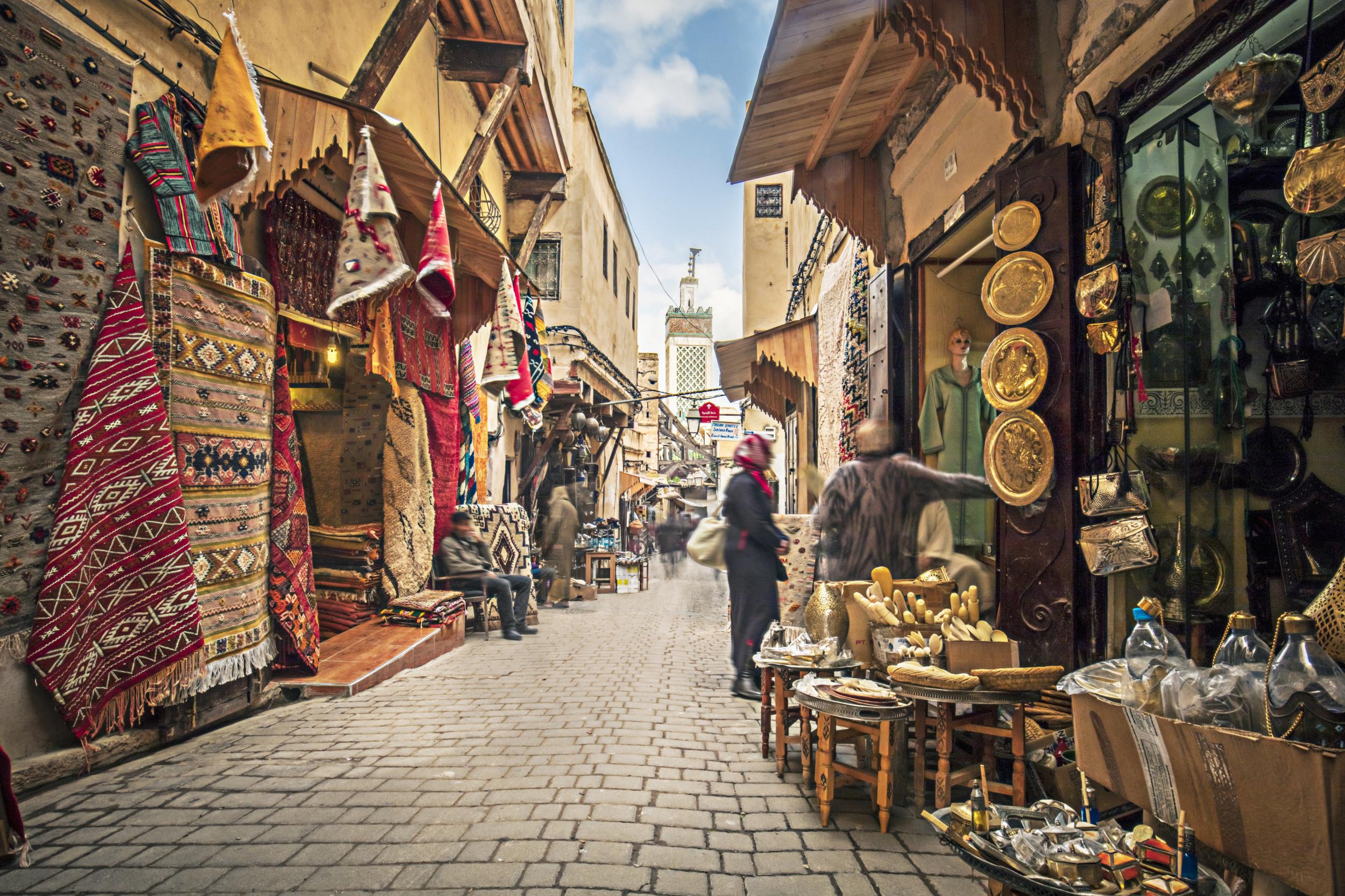
Historic medinas can be crowded and disorienting. Keep valuables secure and avoid displaying more cash than needed. Use a reliable navigation plan, but remember that narrow lanes and pedestrian areas can complicate map directions. If someone offers unsolicited guiding or insists that a street is closed, seek confirmation from your accommodation or an official information point. Polite refusal and moving on are often more effective than arguing. A licensed guide may be valuable for historical context and confident navigation, especially on a first visit.
For a broader route overview, see our Morocco tours guide and compare the stops with the days you actually have.
Transport and road safety
Use established transport providers and record booking details. In taxis, agree on the fare method if a meter is not used. Road conditions can differ substantially between main highways, mountain passes and rural routes; allow daylight for demanding travel days where possible. Wear seat belts where fitted and avoid pressuring drivers to meet unrealistic schedules. For walking, be particularly attentive when crossing busy city streets, even at seemingly familiar junctions. If you rent a car, check rental insurance and driving requirements beforehand.
Weather, hydration and activity planning
Heat, sun exposure and sudden changes in temperature deserve more attention than dramatic travel stereotypes. Carry water, use sun protection and take breaks, particularly in warmer inland areas. In the mountains, check forecasts and use an appropriate guide for more serious routes. Desert excursions require realistic plans for exposure, transport and return times. Do not assume that a highly rated online activity is suitable for every age or fitness level; confirm what is physically involved and whether there are alternatives.
Money, small transactions and personal boundaries
Keep cards and money in secure separate locations. Use established banking facilities and check fees before confirming a withdrawal. At a market, ask about price and currency before a purchase. You can enjoy bargaining without accepting unwanted pressure or losing track of your own budget. Where you feel uncomfortable, leave the interaction. Respectful behavior toward local people matters, but you do not owe personal details, purchases or payment to strangers who approach you.
Simple habits that make a first trip easier
Share a broad itinerary with a trusted contact and keep communication options available. Use hotel staff or known local contacts to verify uncertain transport or sightseeing information. Choose a pace that allows daylight arrivals when possible, particularly at unfamiliar rural lodgings. If you encounter a genuine emergency, contact local emergency services and your embassy or consulate as appropriate. Safety advice should be updated near the travel date, especially in response to severe weather or official travel notices.
A first-day checklist that reduces stress
Before leaving the airport, know how you are getting to the accommodation and how the fare is paid. Keep a charged phone, local directions and enough permitted funds for a backup ride. After check-in, identify a nearby pharmacy or useful service without assuming you will need it. Ask reception where to exchange money safely and which neighborhood routes are sensible for an evening walk. This practical orientation makes it easier to explore without depending on advice from anyone who approaches you in the street.
If an organized journey fits your plans, compare the options on our private Morocco tours page against a self-planned route.
Example: exploring Fes with confidence
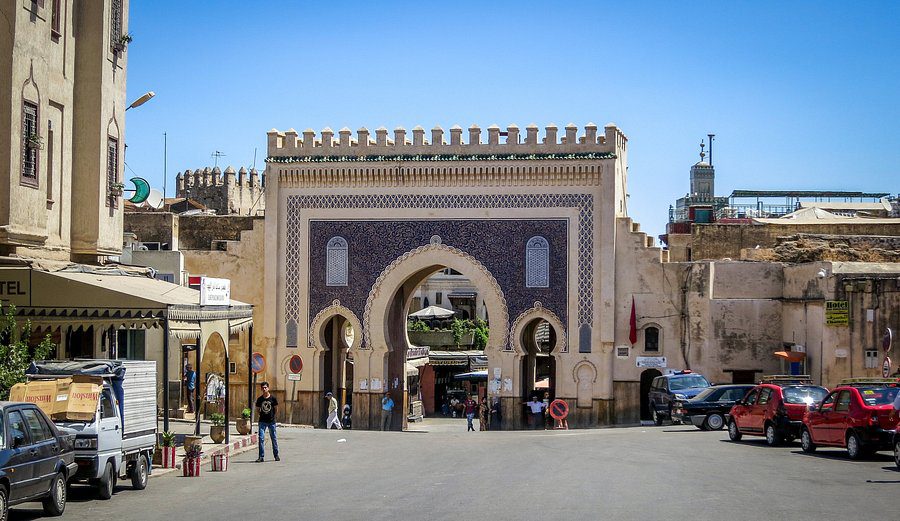
Fes has an intricate historic medina where many fascinating streets look similar to first-time visitors. Save the riad’s meeting point and return directions before going out. If historical interpretation matters, book a reputable guide with clearly defined duration and price. Keep the day flexible enough to rest after intense market areas. If someone offers unsolicited directions, you can thank them and use your confirmed route instead. Confidence comes from a plan, not from pretending that you know every alley on your first visit.
When to seek qualified help
For medical emergencies, use appropriate healthcare services rather than relying on general travel blogs. For serious hiking, use a qualified mountain guide and gear suitable for conditions. For concerns about documents, visas or official warnings, consult government or consular sources specific to your nationality. If a booking dispute occurs, preserve confirmation and payment records. Different problems need different sources of authority; a helpful hotel receptionist cannot replace an official immigration adviser, and a good driver is not necessarily a medical professional.
Where to verify time-sensitive details
Transport schedules, travel requirements, opening rules and prices can change. Check primary sources close to departure. For relevant official context, consult official travel advisories for your nationality, then verify the specific service with its operator. This guide does not replace current official advice.
Protect your travel day from exhaustion
Arriving after a long international flight and immediately starting a demanding tour can lead to mistakes. Leave time to reach your hotel, eat and orient yourself. Keep the first evening simple if you are tired. For an early arrival, ask about luggage storage if check-in is later. Basic comfort supports good decisions about money, routes and personal boundaries. You do not need to treat a first day as a race to see the maximum number of monuments.
Travel with respect and realistic expectations
Tourists will encounter different customs across cities, villages, resorts and family-run businesses. Read local guidance, dress in a way that suits the setting and ask permission before photographing people. Avoid turning every unfamiliar sales interaction into a story about danger; you can decline an offer without hostility. Likewise, do not feel obliged to accept persistent approaches. Respect and healthy boundaries can coexist, and both contribute to more comfortable travel.
Assess activities according to your own needs
A walk advertised as easy may still involve uneven steps, while a vehicle excursion may entail many hours of sitting. Ask about physical demands, rest stops, toilets, heat exposure and access to drinking water. Do not assume that other travelers’ positive reviews mean the activity is suited to you. For children or medical needs, confirm details directly and obtain qualified advice where appropriate. Good safety planning is specific, practical and proportional.
Know which information changes quickly
Weather alerts, local road closures, opening rules, entry regulations and transport arrangements can change after an article is published. Verify the time-sensitive parts of your plan with official or primary sources. Keep a way to contact your accommodations and transfer provider if a route changes. Use general guides to identify questions, not to replace real-time safety notices. This distinction matters most when a disruption could affect your health, legal entry or flight home.
Frequently asked questions
Is Morocco suitable for first-time international travelers?
Many people visit independently or on guided trips, but the right level of support depends on experience, comfort and itinerary.
Should I book a guide for the medina?
A reputable licensed guide can help with orientation and context; it is not an absolute requirement for every visitor.
What should I do about unsolicited guides?
Decline politely, keep moving and verify uncertain claims with your accommodation or official sources.
Are mountain roads safe in bad weather?
Conditions can deteriorate; check official and local advice and be willing to change your route.
How do I confirm entry rules?
Use official immigration, consular or embassy information specific to your citizenship and dates.
Plan the next step
Choose the route and pace that match your actual interests, confirm services in writing and keep a little flexibility in the schedule. A thoughtful travel plan should make the days on the ground easier, not merely add more places to a checklist.
