


Intercity travel in Morocco is best planned around the actual route, not the assumption that one transport mode works everywhere. Trains connect several important cities, intercity buses cover additional destinations, and private vehicles offer flexibility for smaller towns and mountain routes. The right choice depends on luggage, travel party, comfort and how many hours you can afford to spend in transit.
Understand the rail corridor first
Train travel can be practical for combinations including Tangier, Rabat, Casablanca, Fes and Marrakech, but not every popular destination has a passenger rail station. Check current routes, departure times and ticket conditions directly with the railway before committing to accommodation on the assumption of a connection. A train may be a pleasant way to work or rest during a travel day, but still budget time for station transfers and arriving early enough to find your platform. Keep the exact station name visible in your plan because large cities can have more than one.
When an intercity bus makes more sense
Buses serve places that rail routes do not reach, including many tourist towns and areas outside the main railway network. Compare departure terminals, service classes, luggage rules and arrival times. A bus arriving at night may be less convenient than one reaching town before sunset, especially if the final address is inside a pedestrian medina. Reserve popular services when appropriate and reconfirm schedules ahead of travel. Do not use an old timetable copied into a blog as the basis for a nonrefundable hotel booking.

Private drivers and transfers
A private driver can be useful when your route involves remote stops, multiple passengers, accessibility requirements or limited daylight. Agree in writing on the pickup point, stops, vehicle standard, luggage allowance, expected driving pace and driver accommodation arrangements for multi-day journeys. A driver is not automatically a licensed historical guide; distinguish transport from guiding if cultural interpretation is important. With private arrangements, plan meal and rest stops rather than assuming the vehicle can make a long trip comfortable without breaks.
For a broader route overview, see our Morocco tours guide and compare the stops with the days you actually have.
Sample decision: Casablanca, Rabat and Fes
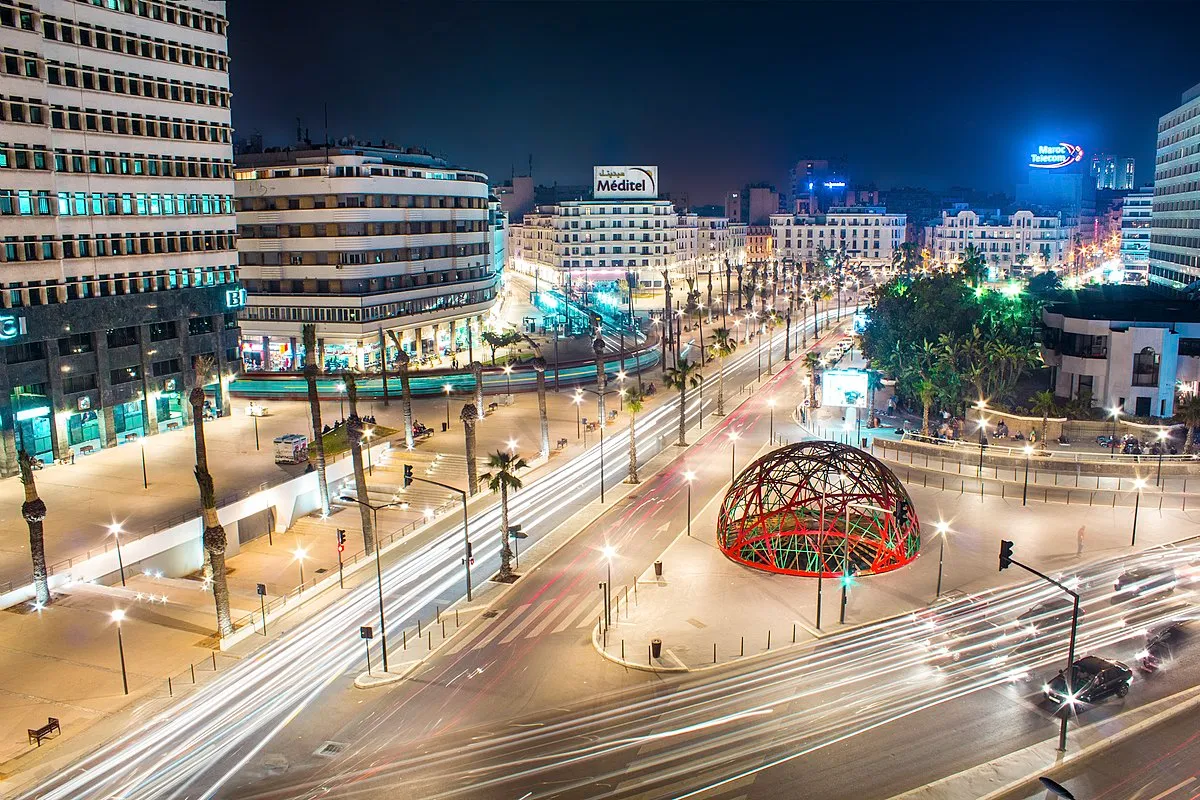
For a route focused on these major cities, start by checking the current rail timetable. A traveler who wants to visit city centers without managing parking may prefer trains with short local transfers. A family carrying substantial luggage or requiring door-to-door help might prefer a private transfer on one leg. Either choice can be sensible. The deciding factor is the total journey from accommodation to accommodation, not the headline departure-to-arrival duration on a timetable.
Sample decision: Marrakech to the desert
For the dunes around Merzouga, a road-based itinerary is normally part of the plan. Distances and road conditions mean this is not simply a quick out-and-back sightseeing visit. Decide how many overnight stops you can afford, whether a loop or one-way itinerary fits your flights and which attractions deserve real time. Mountain passes can be affected by weather. Ask about the fallback plan rather than treating a proposed sequence of stops as a guarantee against delay.
Transfers to medinas, riads and rural accommodation
Transport planning does not end at the bus or train station. Confirm the final drop-off point and walking distance, particularly for historic medina stays. Some hotels arrange porter assistance or give precise meeting points. If arriving late, keep the accommodation’s contact details and a saved map. For remote rural stays, ask whether the road is suitable for ordinary cars and whether the driver can reach the property. Clear arrival logistics can matter more than shaving a few minutes off the intercity leg.
How to build a reliable travel-day schedule
For every intercity move, record departure address, station or meeting point, ticket or booking reference, expected arrival, onward transfer and a realistic buffer. Avoid packing an expensive guided tour immediately after a long connection. Travelers with children or mobility needs should add extra time. Check for seasonal timetable changes, holidays and weather disruptions shortly before departure. If one change would jeopardize an international flight, reconsider the route or allow an additional overnight stay.
A no-car route for a first visit
A traveler interested in Tangier, Rabat and Casablanca can start by comparing rail services and nearby accommodation. Add station-to-hotel transfers, especially if the hotel is inside an older district. Build each travel day with a relaxed arrival activity rather than a guided appointment that begins immediately after the train. For Fes, allow time to reach a medina riad on foot from the designated drop-off point. A no-car trip can be comfortable when chosen destinations align with the transport network.
If an organized journey fits your plans, compare the options on our Fes departure tours page against a self-planned route.
A road-based southern circuit
For a southbound route from Marrakech, prioritize the actual overnight sequence. Ait Ben Haddou, Ouarzazate and the valleys may suit a road itinerary, but a journey all the way to the dunes involves additional time. Ask providers how much of each day is spent driving and whether stops include meaningful visits or merely photographs. In winter, mountain passes can require route changes. Agree in advance on reasonable rest breaks and where overnight accommodation is located. Those details matter more than a brochure promising the most locations.
A decision checklist for every intercity leg
Compare four things: door-to-door time, total price for the party, luggage convenience and flexibility when a connection changes. A solo traveler may prefer a direct bus even if a private vehicle would be faster. Four adults with bags could evaluate a transfer differently. Recheck timetables near travel and keep the operator contact details accessible. The best mode is the one suited to that leg of your particular trip. No single vehicle type can honestly be called best for every Moroccan destination.
Where to verify time-sensitive details
Transport schedules, travel requirements, opening rules and prices can change. Check primary sources close to departure. For relevant official context, consult ONCF official railway information, then verify the specific service with its operator. This guide does not replace current official advice.
Price the entire journey from door to door
A cheap ticket may stop being cheap if reaching the station requires a long taxi ride or if late arrival creates an additional overnight stay. List each leg from accommodation to accommodation, including transfers at both ends. For private transport, clarify tolls, waiting time and luggage limits. This wider view is especially important for groups who can share one vehicle. It is also more useful for the traveler than simply announcing a train fare without checking how the stations connect to the itinerary.
Choose overnight cities deliberately
When a journey involves major transfers, choose a place worth staying in, not merely a point that splits driving into equal distances. The ideal overnight city should have suitable accommodation, convenient access and enough time for a meal or short visit. If your route goes through a small town without many facilities, verify arrival logistics beforehand. There is no benefit in adding an overnight stop that causes a long detour and reduces the time available for the principal destinations.
Prepare for timetable changes
Operators may adjust schedules around holidays, seasonal demand or service disruptions. Reconfirm important tickets and departures shortly before use, and keep a reasonable buffer before international flights. Where a missed connection could be expensive, consider sleeping near the departure airport the night before. Keep booking references and customer-service contacts available without needing an internet connection. A small amount of contingency planning makes public transport far less intimidating.
Accessibility and family requirements
Before booking, confirm luggage arrangements, toilet access, seating, steps and whether a child seat is provided where relevant. An advertised “comfortable” vehicle does not answer these questions. For a traveler using a wheelchair or with limited mobility, ask for actual door widths, boarding assistance and the accessibility of the destination hotel. Route and vehicle arrangements should be decided together so that no leg becomes the weak point of an otherwise thoughtful itinerary.
Frequently asked questions
Can I travel from Marrakech to Fes by train?
Check ONCF for current services and travel times, then plan transfers to and from the relevant stations.
Does a train go to Chefchaouen?
Chefchaouen is generally reached by road. Check current bus and transfer options from your preceding city.
Do I need a car for the Sahara?
Most itineraries to Sahara destinations involve substantial road travel, whether on an organized tour or independently.
Are private drivers also tour guides?
Not automatically. Ask what guiding qualifications and services are included.
How early should I arrive before a train or bus?
Use the operator’s current guidance and allow enough time for the station, luggage and boarding conditions.
Plan the next step
Choose the route and pace that match your actual interests, confirm services in writing and keep a little flexibility in the schedule. A thoughtful travel plan should make the days on the ground easier, not merely add more places to a checklist.
