


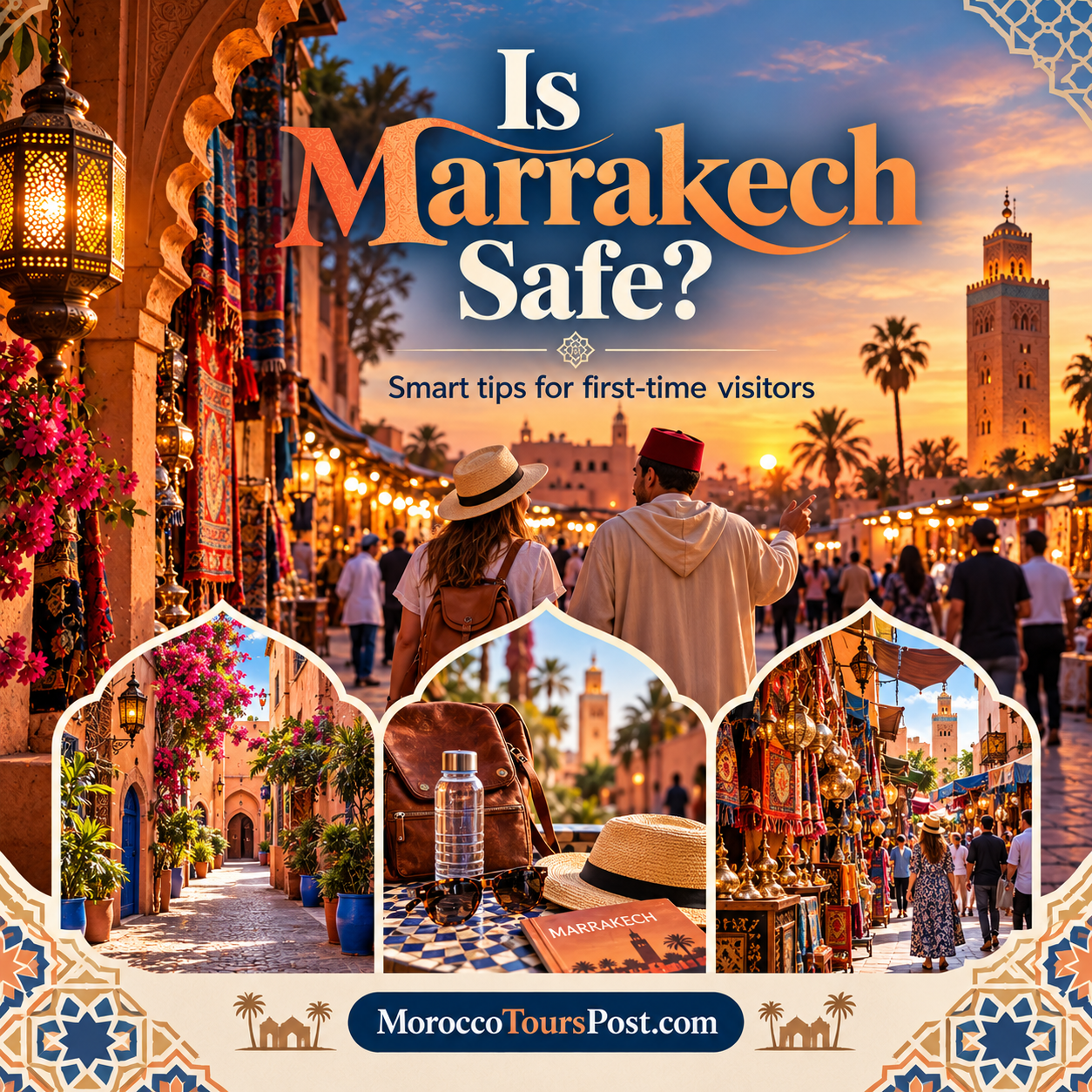
Visitors sometimes expect a single clothing rule for Morocco. In reality, what is comfortable and appropriate depends on region, setting, activity and season. In a city medina you may prioritize walking shoes and breathable layers; in the mountains you need weather protection; and on the coast you may want a windbreaker even in sunshine. Clothing choices work best when they respect local context without turning varied communities into one stereotype.
Everyday clothing for city sightseeing
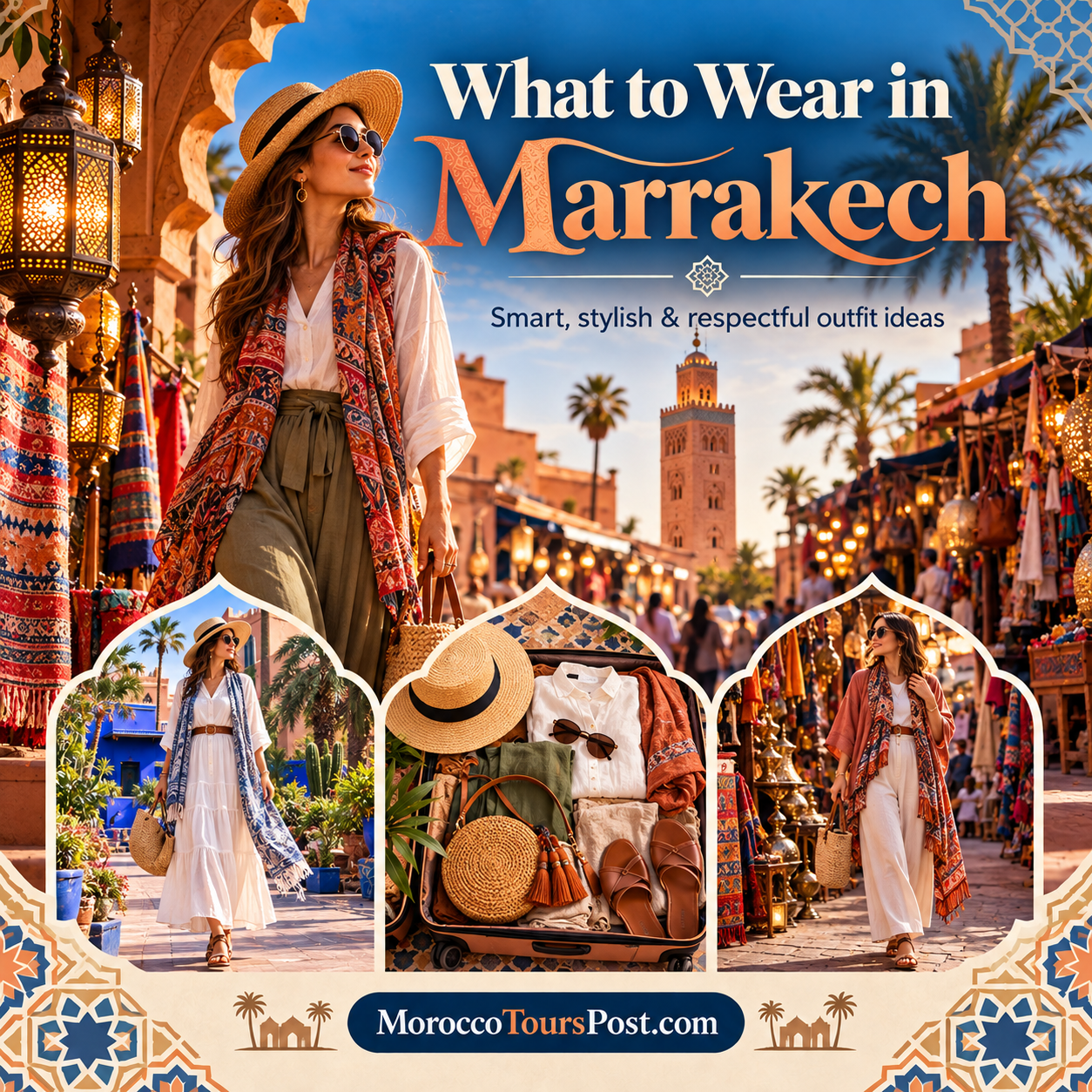
In Marrakech, Fes, Rabat and Casablanca, choose outfits suitable for long walks and changing temperatures. Breathable trousers, skirts, shirts and layers can work well, depending on personal comfort. In more conservative neighborhoods and at cultural sites, covering shoulders and knees may feel practical and respectful. There is no need to imitate a traditional Moroccan outfit to travel politely. Wear shoes that handle uneven paving and steps rather than choosing purely for photographs. A scarf or light overshirt adds flexibility when moving between settings.
What women may find useful
Travelers choose a wide range of styles. Loose, breathable clothing can make summer sightseeing more comfortable, while a light layer can provide optional coverage in conservative contexts. Avoid treating every public place like a hotel pool or a resort beach. For personal comfort, consider pockets or a secure crossbody bag and footwear suitable for stairs. If you plan an active excursion, choose activity-appropriate clothing first. A guide or host can advise on expectations for a particular event or religious setting when those expectations are not obvious.
What men may find useful
Comfortable shirts, trousers or weather-appropriate shorts are commonly practical for tourist travel, with choices adjusted to activity and local setting. A collared shirt is sometimes useful for a formal restaurant, while rugged footwear is better for rural paths. Avoid bringing only heavy jeans for hot-weather travel; lighter fabrics may be more comfortable. Sun protection and a warm layer often matter more than elaborate outfit planning. As with any traveler, consider modest alternatives if entering places where local customs call for a more restrained appearance.
For a broader route overview, see our Morocco tours guide and compare the stops with the days you actually have.
Desert outfits are mostly about sun and dust
In the Sahara or Agafay, footwear, sun protection and temperature management are more important than the color of your outfit. Wear sunglasses, a hat and comfortable shoes that can handle dust or uneven terrain. Loose layers can provide protection against sun and wind. Ask your camp or operator about nighttime temperature and bedding; a light daytime outfit may not be enough after sunset in colder months. Avoid unsuitable open shoes for rocky ground or activities requiring secure footing.
Coastal clothing versus mountain clothing
For Essaouira and other breezy Atlantic stops, carry a light wind-resistant jacket even when the forecast looks sunny. Swimsuits belong to the relevant beach or pool setting rather than being the default for town sightseeing. For the Atlas Mountains, clothing depends on elevation and activity: serious hikes may require waterproof and insulating layers, sturdy footwear and technical advice. A photograph of a sunny valley does not tell you what conditions will be like on an exposed ridge.
Dressing for spring, summer, autumn and winter
In spring and autumn, flexible layers handle changing conditions across cities and landscapes. Summer inland travel may require lightweight breathable clothing, sun protection and careful midday planning. In winter, pack for cool nights, rain in some areas and much colder mountain or desert conditions. Recheck forecasts by city just before departure. Avoid packing for the month alone, because an itinerary through several regions may expose you to more variation than a single-city holiday.
Cultural events, sacred places and practical etiquette
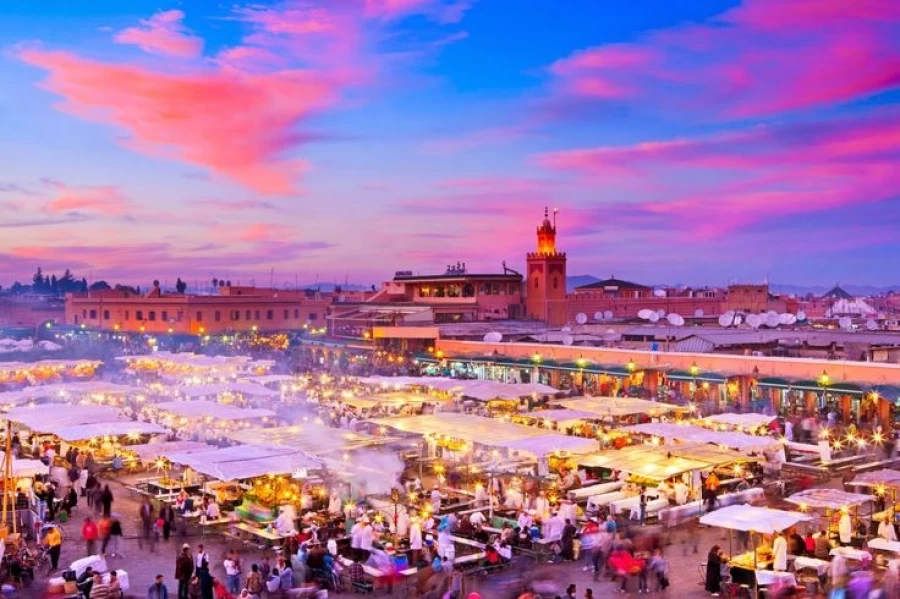
Cultural expectations can vary within Morocco and by the venue. Some religious spaces have restricted visitor access; appropriate clothing does not itself grant entry. Ask local staff or an official guide about specific requirements before a visit. Avoid photographing people without consent, regardless of what you are wearing. Choose respectful, comfortable clothes rather than rigid costume rules. Packing a simple extra layer is usually easier than trying to predict every setting in advance.
A practical capsule wardrobe for a week
Choose a few breathable tops, coordinating bottoms, one warmer layer, a lightweight outer garment and comfortable walking shoes. Add specific equipment for swimming, hiking or formal dining only if those activities appear on the itinerary. Choose pieces that can be layered on cooler mornings and removed during warmer afternoons. This is more efficient than packing a different outfit for each destination. If you are planning visits to conservative settings, bring one easy extra layer so you can adapt without replacing your entire wardrobe.
If an organized journey fits your plans, compare the options on our Fes departure tours page against a self-planned route.
What to wear on a multi-region route
A trip from Marrakech across the Atlas Mountains toward the south can include hot sun, wind and colder nights. A single heavy outfit is less useful than modular layers. A northern route through Fes and Chefchaouen may call for a waterproof jacket during wetter periods. For beaches, carry appropriate swimwear but change into normal street clothing away from the water as appropriate. Build the suitcase around the actual route and check forecasts for the first several nights before departure.
Clothing mistakes to avoid
Do not wear untested shoes on your longest medina day, bring only sandals for uneven outdoor terrain or assume a desert camp will be warm all night. Avoid interpreting social media costume photos as a guide to ordinary clothing expectations. Check whether an activity provider requires closed-toe footwear or other gear. A sun hat and breathable layers are often more useful than elaborate accessories. Comfort and respect can coexist without strict or exaggerated claims about what every tourist must wear.
Where to verify time-sensitive details
Transport schedules, travel requirements, opening rules and prices can change. Check primary sources close to departure. For relevant official context, consult official Morocco tourism portal, then verify the specific service with its operator. This guide does not replace current official advice.
Dress for an activity, not a photo trend
Outfit advice on social platforms often prioritizes images rather than comfort. A medina tour may involve several hours on stone paving, so shoes should be practical. A hiking day needs footwear for the terrain, while a desert camp may demand warmer night layers. There is no single garment that solves all these needs. Before packing, read your itinerary and imagine what you will actually do on your longest outdoor day.
Keep a respectful alternative available
A light overshirt, scarf or longer layer can be useful if you enter a conservative neighborhood or event with particular expectations. This does not mean every visitor must follow one national dress code. Morocco includes varied urban, rural and resort settings, and local guidance is more informative than blanket rules. When in doubt, ask staff or a knowledgeable local host about a specific venue. Respectful adaptability is easier than attempting to memorize rigid generalizations.
Plan for shoes and bags as carefully as clothes
A secure day bag protects belongings and keeps hands free in busy streets. Footwear that is comfortable for a hotel lobby may not suit uneven medina lanes or countryside paths. If you plan to change cities frequently, consider how clothing and luggage choices affect transfer days. A heavy bag or unsuitable shoes can reduce the energy available for the visits you paid to enjoy. Practical accessories are often worth more suitcase space than decorative extras.
Use laundry to keep the wardrobe manageable
For a longer itinerary, arrange clothing combinations that can be reworn and washed rather than packing a completely new outfit each day. Check whether accommodation offers laundry, what it costs and how quickly it can be returned. A lightweight quick-drying layer can be useful during multi-stop travel. Keep one clean outfit and essential toiletries accessible for delayed luggage or a late transfer. Being organized makes dressing for different regions simpler without demanding an oversized suitcase.
Frequently asked questions
Do tourists have to cover their hair in Morocco?
There is no general rule requiring all tourists to cover their hair in public. Specific settings may have their own expectations.
Can women wear shorts?
Clothing norms vary by location and activity. Consider comfort, cultural context and the setting.
What should I wear to the desert?
Sun-protective layers, sturdy shoes, a hat and warmer clothing for cool evenings when relevant.
Do I need a coat in winter?
Often yes for cooler evenings, northern areas, mountain trips or desert nights.
Are hiking clothes acceptable in cities?
Practical casual clothing is common for sightseeing; choose clean, comfortable options suitable for the places you will visit.
Plan the next step
Choose the route and pace that match your actual interests, confirm services in writing and keep a little flexibility in the schedule. A thoughtful travel plan should make the days on the ground easier, not merely add more places to a checklist.
