


Can you drink alcohol in Morocco? Yes, visitors can find alcohol in Morocco, but the answer needs context. Morocco is a Muslim-majority country, and alcohol is haram (religiously forbidden) in Islam. At the same time, alcoholic drinks are legally produced, regulated and sold through licensed channels, especially in hotels, bars, restaurants and some retail outlets that are permitted to sell them.
For travelers, the practical rule is simple: alcohol exists, but it is not treated as casually as it is in many European destinations. Drinking in a licensed venue is very different from opening a bottle in a public square, on a street or near a mosque. Local law, religion, neighborhood norms and the time of year all matter.
This guide explains alcohol in Morocco from a traveler’s point of view: whether it is legal, who can buy it, the drinking-age question, where tourists can drink, what changes during Ramadan, whether riads serve alcohol, and how to behave respectfully. If you are planning a first trip, it also helps to read our Morocco travel tips before you arrive.
Quick answer: Alcohol is available in Morocco in licensed venues. Islam prohibits alcohol for Muslims, and current international alcohol-policy data records Moroccan law as prohibiting sales to Muslims. For non-Muslims, alcohol can be purchased in permitted establishments, subject to age and venue rules. Public drinking outside licensed places can create legal trouble. Always follow the venue’s rules and local law.
Table of Contents
- Is alcohol legal in Morocco?
- Religion and alcohol in Moroccan culture
- What is the drinking age in Morocco?
- Where can tourists drink alcohol?
- Where can you buy beer, wine and spirits?
- Alcohol in Marrakech and Casablanca
- Do riads and hotels serve alcohol?
- Alcohol during Ramadan
- Public drinking, beaches and streets
- Alcohol and driving in Morocco
- Cultural etiquette for travelers
- Frequently asked questions
Is Alcohol Legal in Morocco?
Alcohol is not universally banned in Morocco. The country has a regulated alcohol market, and Moroccan authorities maintain rules covering the manufacture, trade and sale of alcoholic beverages. Morocco’s National Office for Food Safety, ONSSA, publishes the regulatory framework for wine, beer, spirits and related alcoholic products.
For travelers, the most visible evidence is straightforward: licensed hotels, bars and restaurants in major tourist destinations can serve alcoholic drinks. Some authorized shops also sell beer, wine and spirits for off-premise use. Availability is generally easier in major cities and established tourist zones than in small towns or conservative rural areas.
That does not mean alcohol can be consumed anywhere. The UK government’s Morocco travel advice states that alcohol is available in licensed venues but warns that drinking in the street or anywhere outside a licensed restaurant or bar is illegal and can lead to arrest. Travelers should therefore treat the license of the venue, not simply the availability of a bottle, as the key distinction.
The answer to “is alcohol legal in Morocco?” is therefore: yes, but under restrictions. The rules are shaped by Morocco’s Islamic identity, licensing laws and public-order regulations. Visitors who drink discreetly in properly licensed establishments usually find the system easy to navigate.
Religion and Alcohol in Moroccan Culture
Morocco is a Muslim-majority country, and in Islam alcohol is considered haram. That religious context is important even for visitors who are not Muslim. Alcohol may be available in a hotel bar a few streets away from a mosque, but the existence of that bar does not make public attitudes toward drinking the same as they are in London, Paris, Madrid or Berlin.
The International Alliance for Responsible Drinking currently lists Morocco’s rules as varying by religion and cites Legislative Decision No. 3.177.66 of 1967, noting that sales to Muslims are prohibited. For a foreign non-Muslim visitor, licensed venues are the normal legal route for purchasing or consuming alcohol.
Social attitudes also vary. In cosmopolitan neighborhoods of Marrakech, Casablanca, Rabat, Tangier or Agadir, a hotel serving wine with dinner may attract little attention. In a traditional neighborhood, a small village or near a religious site, visible drinking can be considered deeply disrespectful even before legal questions arise.
A useful way to understand Morocco is to separate three things: religion, law and everyday practice. Religion discourages alcohol for Muslims. Law regulates who may sell it and where it may be consumed. Everyday practice changes from place to place. Respecting all three will make your trip far smoother.
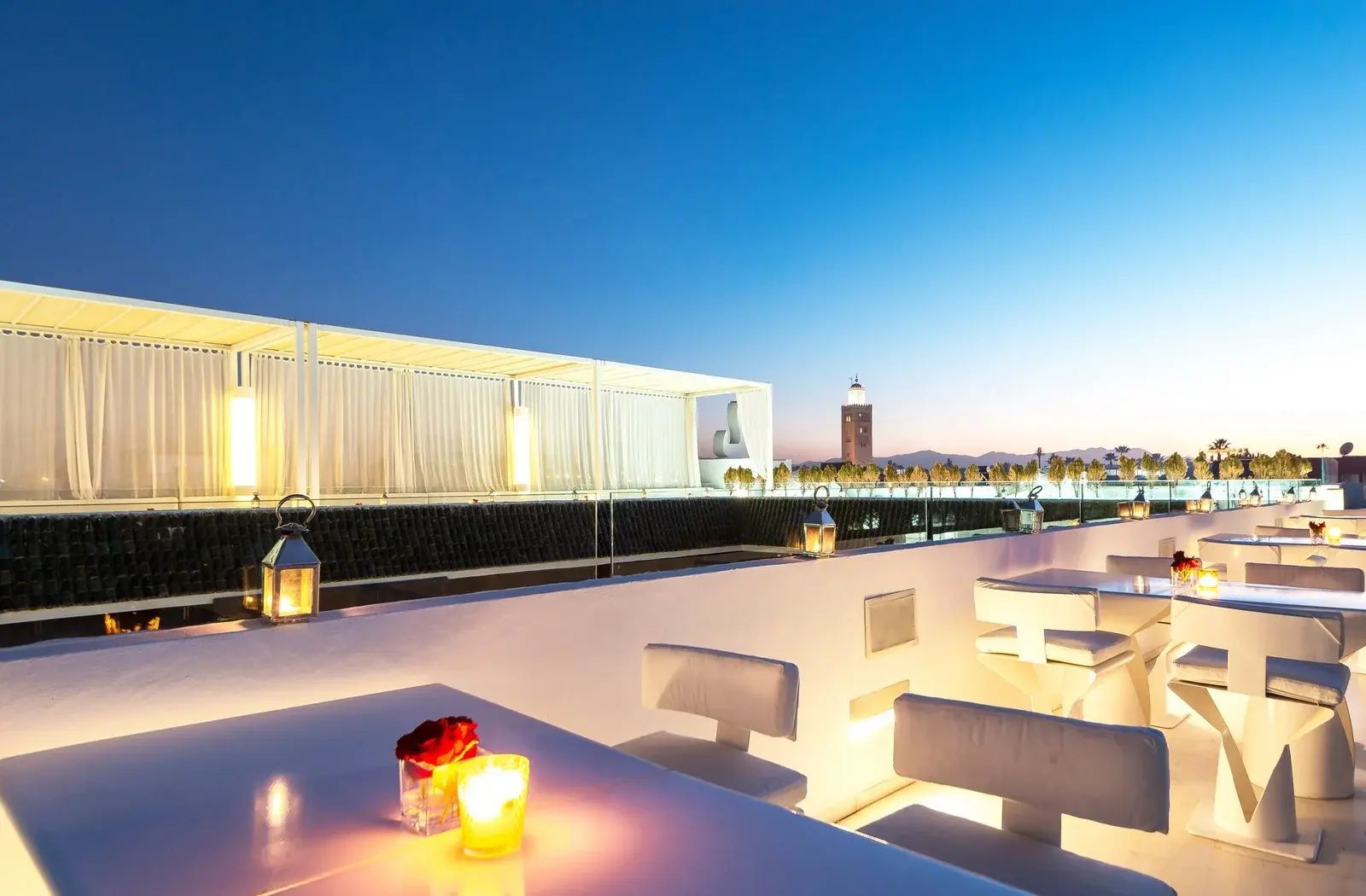
What Is the Drinking Age in Morocco?
The drinking age in Morocco is one of the most confusing topics online because many travel websites repeat different numbers. Instead of pretending the issue is simpler than it is, it is better to look at the sources.
The IARD legal-age database currently records Morocco as having rules that vary by religion. It lists a minimum sale age of 16 for non-Muslims and states that sale to Muslims is prohibited, citing Articles 28–30 of Legislative Decision No. 3.177.66 of 1967. An older World Health Organization country profile also recorded 16 as the minimum age for on- and off-premise alcohol sales.
In practice, however, individual hotels, restaurants, bars and retailers may impose stricter policies, ask for identification or simply refuse a sale when they are uncertain about age or eligibility. A visitor should never argue that a database entry gives them an automatic right to purchase alcohol. The establishment’s license conditions, house policy and instructions from local authorities still apply.
The safest advice is to carry official identification, follow the venue’s rules and avoid treating Morocco’s age rules as a loophole. If a member of staff says they cannot serve you, accept the decision. That is more useful than trying to win a legal debate over a holiday drink, an activity with an impressively poor return on investment.
Where Can Tourists Drink Alcohol in Morocco?
Tourists who want a drink should choose venues that clearly and openly serve alcohol. In most major destinations, that usually means one of the following:
- Licensed hotel bars, particularly in international, upscale and resort-style hotels.
- Licensed restaurants that list wine, beer or cocktails on their menu.
- Dedicated bars and lounges operating under the required permissions.
- Nightclubs and entertainment venues where alcohol service is part of the licensed operation.
- Some licensed riads or guesthouses, although many riads do not serve alcohol at all.
Do not assume that every restaurant can serve alcohol. Many excellent Moroccan restaurants are completely alcohol-free. This is common and should not be interpreted as a problem with the restaurant. A traditional meal with mint tea, fresh juice or sparkling water is a perfectly normal part of Moroccan dining.
If alcohol matters to your evening plans, check the venue’s current menu or contact it in advance. Rules, licenses and opening hours can change, particularly during religious periods. When staying in the old city, our guide to what a riad is in Morocco explains why facilities and services differ so much from one property to another.
Where Can You Buy Beer, Wine and Spirits in Morocco?
Visitors sometimes expect alcohol to be displayed in every supermarket because that is normal in their home country. Morocco works differently. Alcohol retail is more controlled and often less visible. Depending on the city, travelers may find licensed specialty shops and authorized retail sections selling wine, beer and spirits.
Availability can vary by location, day and season. Smaller towns may have little or no obvious retail supply. In tourist centers, the easiest option is often simply to use a licensed restaurant or hotel rather than spend part of the trip searching for a shop.
Morocco also has domestic production of wine and beer, so seeing Moroccan-made alcoholic products is not unusual in licensed establishments. ONSSA maintains regulations for the production and commercialization of alcoholic beverages, including wine, beer and spirits. This is another reason the claim “alcohol is completely illegal in Morocco” is inaccurate.
If you buy alcohol from a retail outlet, keep it packaged while transporting it and consume it only in a lawful private setting or a place that permits it. Carrying a sealed bottle is not an invitation to turn Jemaa el-Fnaa into a picnic bar. The square has survived centuries without needing that innovation.
Alcohol in Marrakech, Casablanca and Other Tourist Cities
Alcohol in Marrakech
Marrakech has one of Morocco’s largest tourism industries, so visitors will find licensed hotel bars, restaurants, lounges and nightlife venues more easily than in many smaller destinations. The Medina itself contains both alcohol-free and alcohol-serving properties, while modern districts such as Gueliz and Hivernage generally provide more options.
If you are planning evenings in the city, combine this guide with our list of the best things to do in Marrakech. The key is not to assume that because alcohol is served inside a venue it is acceptable to walk outside with the drink.
Alcohol in Casablanca
Casablanca is Morocco’s largest business center and has a more urban, cosmopolitan rhythm. Licensed hotels, restaurants and bars serve both residents and international visitors. Again, alcohol belongs inside the permitted venue, not on the street. If you are spending time in the city, see our guide to things to do in Casablanca for sightseeing ideas that have nothing to do with a bar stool.
Alcohol in Agadir, Tangier, Rabat and Resort Areas
Agadir’s resort environment makes licensed alcohol service relatively easy to find in larger hotels and tourist restaurants. Tangier and Rabat also have licensed establishments, although the style of nightlife varies by neighborhood. In every city, ask the venue rather than assuming.
In smaller towns, mountain villages and desert regions, alcohol can be much less available. A desert camp may not serve it, and arriving with alcohol without checking the camp’s policy can be awkward or disrespectful. If a drink is important to you, ask before the trip rather than after the camel has already done most of the commuting.
Do Riads and Hotels in Morocco Serve Alcohol?
Some do, many do not. Large hotels are generally the most predictable option because they often have a licensed bar or restaurant. Riads are more varied. One riad may serve Moroccan wine with dinner; the neighboring property may be completely alcohol-free for religious, licensing or business reasons.
Never assume that “luxury” automatically means alcohol service. If you are comparing accommodation, check the official website, current menu or booking information. You can also look at our guides to the best riads in Marrakech and other accommodation pages to understand the different styles of properties available.
If your accommodation is alcohol-free, respect the policy. Bringing your own bottle into shared areas may breach house rules even if you bought it legally elsewhere. A riad is often a small, intimate building where staff, families and guests share common spaces, so discretion matters more than it might in a large resort.
Can You Drink Alcohol in Morocco During Ramadan?
Ramadan deserves extra sensitivity. During the holy month, Muslims fast from dawn until sunset, and daily schedules can change significantly. Some alcohol-serving venues reduce their hours or close temporarily. Others may continue operating for non-Muslim guests but do so more discreetly.
The UK government’s Morocco travel advice notes that eating, drinking or smoking publicly during daytime fasting hours may cause offence. Even if a hotel continues serving tourists privately, that does not make visible daytime drinking in a public area culturally appropriate.
For visitors, the best approach is simple: check with your hotel, avoid public consumption, dress and behave respectfully, and expect operating hours to change. Ramadan can actually be a fascinating time to experience Morocco if you approach it with curiosity rather than treating altered opening hours as a personal attack by the calendar.
If your travel dates are flexible, our best month to go to Morocco guide can help you compare seasons, climate and travel conditions.
Can You Drink Alcohol on the Street, Beach or in Public?
This is where travelers need to be much more careful. According to current UK travel advice for Morocco, drinking alcohol in the street or anywhere other than a licensed restaurant or bar is illegal and can result in arrest. A visitor should therefore avoid drinking openly in public squares, medina alleys, parks, streets and other public areas.
Beaches deserve the same caution. A resort or private beach club may have its own licensed service, but that does not mean an ordinary public beach should be treated as an open-air bar. Follow the rules of the specific property or beach facility and keep public conduct conservative.
Public intoxication is also a bad idea even when the alcohol itself was purchased legally. Being visibly drunk creates safety problems, increases the risk of theft or conflict and can attract police attention. Morocco is a destination where discretion is not merely etiquette; it is part of sensible travel planning.
Alcohol and Driving in Morocco
If you are renting a car, the safest rule is do not drink before driving. Morocco applies drink-driving rules, and visitors gain nothing by trying to calculate how many drinks they can consume while remaining under a legal threshold. Roads can be unfamiliar, traffic in large cities can be intense, and rural driving may involve poor lighting, pedestrians, animals and unexpected road conditions.
Use a taxi, licensed transfer or a designated sober driver after drinking. This is particularly important in Marrakech and Casablanca, where late-night traffic and unfamiliar streets can make driving more stressful even when completely sober.
Our broader Morocco safety guide covers transport, scams and general precautions for first-time visitors.
Alcohol Etiquette in Morocco: How to Drink Respectfully
Travelers usually have no problem when they follow a few basic principles. The goal is not to hide from the fact that alcohol exists, but to understand that Morocco balances tourism with strong religious and cultural traditions.
- Drink only where it is clearly permitted. Licensed hotels, restaurants and bars are the safest choice.
- Do not drink in the street. Public consumption can create legal problems.
- Do not drink near mosques or religious sites. Even carrying an open drink near a religious setting is culturally inappropriate.
- Be especially discreet during Ramadan. Check hours and avoid visible daytime consumption.
- Never pressure a Moroccan host or staff member to drink. Many people abstain for religious or personal reasons.
- Do not assume every riad permits outside alcohol. Ask first.
- Avoid drunken behavior. Loud or aggressive conduct is unwelcome anywhere and especially conspicuous in a conservative setting.
- Do not drink and drive. Use a taxi or transfer.
This same principle of respect applies to food, clothing, photography and religious customs. Our Moroccan food guide is a useful reminder that a memorable meal in Morocco hardly depends on what is in the wine glass.
Is Morocco a Good Destination if You Do Not Drink?
Absolutely. Moroccan social life offers plenty of alternatives. Mint tea is central to hospitality, cafés are a major part of everyday life, fresh orange juice is ubiquitous in many tourist areas, and traditional meals are often enjoyed without alcohol. Many Moroccan families, restaurants and accommodation providers do not serve alcohol at all.
Travelers who never drink are therefore unlikely to feel excluded. In fact, Morocco can be easier than many nightlife-heavy destinations for people who prefer alcohol-free travel. The social ritual is often built around tea, food, conversation and shared meals rather than drinking.
Is Morocco a Good Destination if You Do Drink?
Also yes, provided you are comfortable with restrictions. If having a glass of wine with dinner or a cocktail at your hotel matters to you, choose accommodation and restaurants that explicitly offer alcohol. Do not expect every venue to do so, and do not treat public spaces as extensions of the hotel bar.
It is useful to plan ahead when moving between cities. Marrakech, Casablanca and major resorts provide more choice; a mountain village, desert camp or smaller conservative town may provide little or none. That variation is part of traveling in Morocco rather than a flaw to be solved.
Practical Checklist Before Ordering Alcohol in Morocco
| Question | Best Practice |
|---|---|
| Is the venue licensed? | Choose a hotel, restaurant, bar or shop that openly and lawfully sells alcohol. |
| Do I need ID? | Carry official identification and follow the venue’s age policy. |
| Can I take the drink outside? | No. Keep consumption inside the permitted venue or private setting. |
| Is it Ramadan? | Expect reduced availability and be especially discreet. |
| Does my riad allow it? | Ask the property directly before bringing or ordering alcohol. |
| Am I driving? | Do not drink; use a taxi, transfer or sober driver. |
If you are building a larger itinerary, browse our Morocco tours and destination guides. Planning transport and accommodation first makes details such as restaurant choice much easier once you are on the ground.
Frequently Asked Questions About Alcohol in Morocco
Is alcohol legal in Morocco?
Alcohol is available through regulated and licensed channels in Morocco. Licensed bars, restaurants, hotels and certain authorized retailers may sell it. Public drinking outside permitted settings can lead to legal trouble.
Can tourists drink alcohol in Morocco?
Non-Muslim tourists can generally drink alcohol in licensed venues. They should follow local laws, the venue’s age and ID rules, and cultural expectations.
Is alcohol haram in Morocco?
Alcohol is haram in Islam, and Morocco is a Muslim-majority country. That religious prohibition is an important part of Moroccan culture. It is different, however, from saying alcohol is completely illegal for every person in the country.
What is the legal drinking age in Morocco?
IARD currently records a minimum sale age of 16 for non-Muslims under the cited 1967 legislation, while sales to Muslims are prohibited. Individual venues may enforce stricter age policies, so visitors should carry ID and follow the establishment’s rules.
Can you drink alcohol in Marrakech?
Yes, licensed hotels, restaurants, bars and lounges in Marrakech serve alcohol. Many other restaurants and riads are alcohol-free, so check before visiting.
Can you drink alcohol during Ramadan in Morocco?
Availability may be reduced during Ramadan, and travelers should be especially discreet. Some hotels and licensed venues may continue serving non-Muslim guests privately, while other establishments close or change hours.
Can you drink alcohol on the street in Morocco?
No. Current UK travel advice states that drinking alcohol in the street or outside licensed restaurants and bars is illegal and can lead to arrest.
Do riads in Morocco serve alcohol?
Some riads serve alcohol and others do not. It depends on licensing and property policy. Check with the riad before booking if alcohol service matters to you.
Can you buy beer and wine in Morocco?
Beer, wine and spirits can be purchased from licensed outlets and consumed in permitted settings. Retail availability varies considerably by city and neighborhood.
Is it disrespectful to drink alcohol in Morocco?
Drinking discreetly in a licensed venue is generally accepted for visitors. Drinking publicly, becoming intoxicated in public or consuming alcohol near religious sites can be disrespectful and may also create legal problems.
Final Answer: Can You Drink Alcohol in Morocco?
Yes, but drink with context. Morocco is a Muslim-majority country where alcohol is religiously prohibited for Muslims, yet alcohol is also regulated and available in licensed venues. For tourists, the safest approach is to use licensed hotels, restaurants and bars; respect venue age rules; avoid public drinking; be extra discreet during Ramadan; and never drink and drive.
The important lesson is not that Morocco is “dry” or “wet.” It is that the country has its own balance between Islamic culture, law and a large international tourism industry. Respect that balance and the rules are easy to live with.
