


Table of Contents
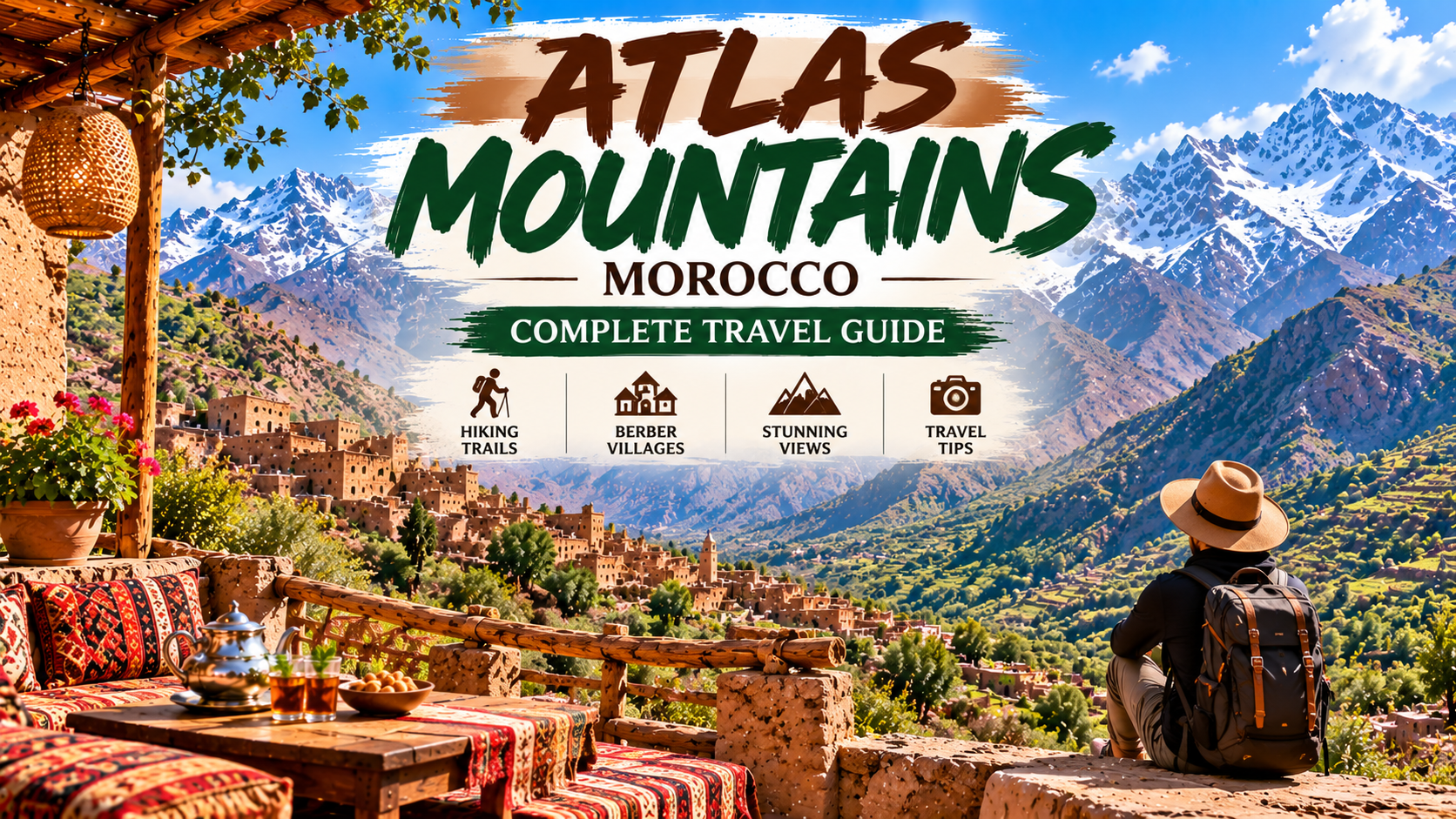
Trekking the Atlas Mountains in Morocco can mean anything from a gentle half-day village walk to a multi-day summit expedition. The Atlas system stretches across the country and is usually discussed in three broad sections: the Middle Atlas, High Atlas and Anti-Atlas. For most first-time hikers based in Marrakech, the High Atlas is the natural starting point.
The most famous objective is Mount Toubkal, but the range offers much more than one summit. Valleys around Imlil, Aït Bouguemez, Ourika, Ouirgane and the Mgoun region offer village trails, high passes, waterfalls, terraces and multi-day circuits.
Which Atlas Mountains Should You Visit?
High Atlas
The High Atlas contains Morocco’s highest peaks and the country’s best-known trekking routes. Imlil and Mount Toubkal are the classic entry points from Marrakech. Farther east, valleys and passes lead toward Ouarzazate and the desert. Choose the High Atlas for serious hiking, high-elevation scenery and routes that can range from one day to a week or more.
Middle Atlas
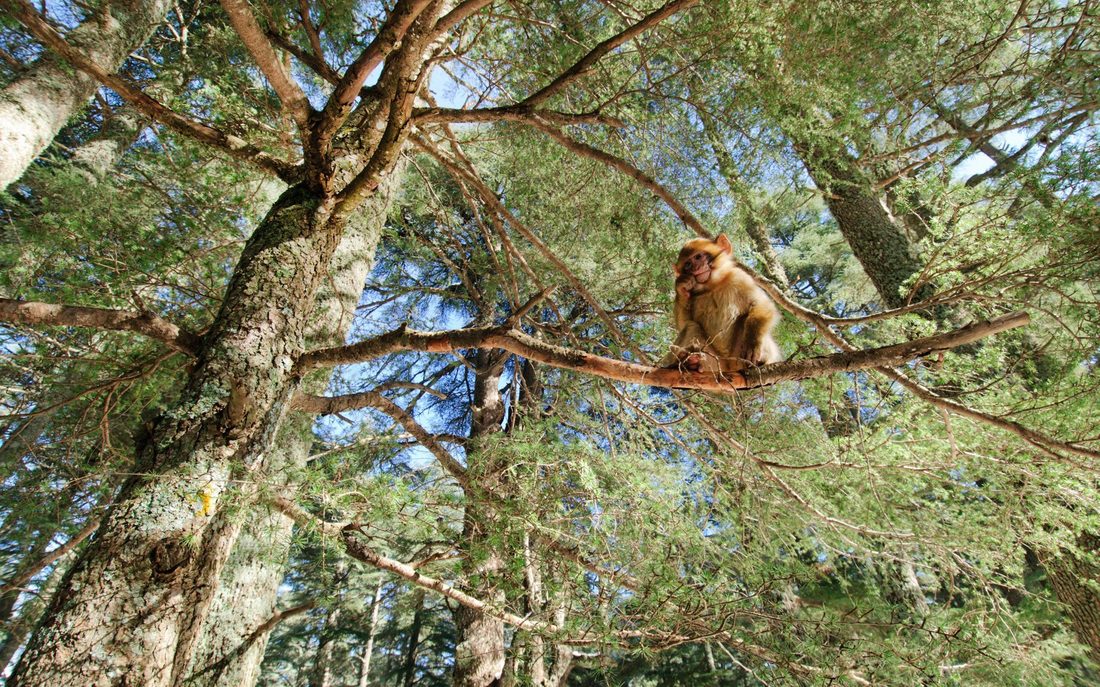
The Middle Atlas is greener in many areas and easier to combine with Fes or Meknes. Around Ifrane, Azrou and cedar-forest country, road trips and moderate walks can include forests, lakes, plateaus and Amazigh towns. Our existing Fes Middle Atlas day trip is a practical option for travellers based in Fes.
Anti-Atlas
The Anti-Atlas in southern Morocco offers lower, drier mountain landscapes, striking rock formations and villages around places such as Tafraoute. It is less famous internationally than Toubkal but highly rewarding for road trips and hikers who prefer quieter trails. The region combines naturally with Agadir, Taroudant and southern Atlantic routes.
Best Atlas Mountains Hikes and Trekking Areas
1. Imlil Valley
Imlil is the easiest High Atlas base for many Marrakech visitors. Short walks reach surrounding villages and viewpoints, while longer routes continue toward Toubkal. You can visit for a day, but staying overnight creates a much more relaxed experience. The valley is also a good place to test your comfort with altitude before committing to a major trek.
2. Mount Toubkal
Mount Toubkal is the highest peak in North Africa and the best-known mountain objective in Morocco. A summit trek is not the same thing as an easy Marrakech excursion. It requires adequate fitness, mountain planning and appropriate equipment; winter adds snow and ice. Local guide and access requirements can change, so verify current rules and conditions before departure.
3. Aït Bouguemez Valley
Often called the Happy Valley, Aït Bouguemez offers a slower trekking experience among villages, fields and high mountain scenery. It is farther from Marrakech than the most common Imlil day routes, which helps keep the area quieter. Several-day walks can connect villages and high passes, making it a strong choice for travellers who value cultural landscapes as much as summits.
4. Mgoun region
The Mgoun massif is an excellent option for experienced hikers looking beyond Toubkal. Multi-day routes can include high plateaus, valleys, villages and seasonal river crossings. Logistics are more involved, so guided trekking and mule support are common. The reward is a sense of scale and remoteness that is harder to find on the busiest Toubkal trail.
5. Ourika Valley
Ourika is one of the easiest Atlas day trips from Marrakech. The Setti Fatma area is known for riverside restaurants and waterfall walks. It can become crowded, especially on weekends and in warmer months. Choose it for accessibility and a lively valley atmosphere rather than wilderness. For a more trekking-focused day, Imlil is usually the stronger option.
6. Ouirgane
Ouirgane offers gentler mountain scenery, walking routes and rural accommodation within reach of Marrakech. It suits travellers who want hiking without the intensity of Toubkal and couples looking for a quiet mountain stay. The lower elevation also means conditions can differ significantly from higher parts of the range.
7. Tafraoute and the Anti-Atlas
Tafraoute is surrounded by granite landscapes, palm-lined valleys and distinctive villages. Day hikes and longer routes explore the Anti-Atlas without the very high altitudes of Toubkal. Spring is particularly attractive when parts of the region are greener and almond blossom may be visible, although exact timing varies each year.
Day Hike or Multi-Day Trek?
A day hike is best if mountains are one part of a wider Morocco itinerary. From Marrakech, you can reach several High Atlas valleys, walk for a few hours, have lunch and return. It gives you scenery without committing luggage and accommodation to a trekking programme.
A multi-day trek is better if you want quieter trails, higher passes and more meaningful time in mountain villages. Two to four days opens far more options; a week allows serious routes. Build rest time around the trek rather than scheduling a long overnight bus immediately after your final descent, because apparently knees also have opinions.
Best Time for Trekking in the Atlas Mountains
For many lower and mid-elevation hikes, spring and autumn are the easiest seasons. High routes may retain snow well into spring, and winter conditions around Toubkal require proper snow and ice equipment. Summer can be hot in exposed valleys but more comfortable at altitude.
There is no single “Atlas weather” forecast. Elevation, aspect and region matter. Check mountain-specific conditions before departure and ask local guides about snow, storms, heat and water availability. For your broader trip, compare seasons in our best time to visit Morocco guide.
Do You Need a Guide?
Simple, well-known valley walks can be done independently by experienced hikers, but a guide adds navigation, safety, language help and local context. For longer treks, remote routes and winter objectives, professional guidance is strongly recommended. Some controlled mountain routes may also have local guide requirements, so verify current rules rather than relying on a forum post from six years ago.
What to Pack for Atlas Mountain Hiking
- Hiking shoes or boots with reliable grip
- Layered clothing suitable for altitude
- Sun hat, sunglasses and high-SPF sunscreen
- Rain shell and warm layer
- Water capacity and purification option for longer routes
- Basic first-aid supplies
- Offline map or GPS backup
- Trekking poles for long descents if you use them
- Cash for villages, guides, guesthouses and tips
Altitude and Mountain Safety
Do not judge a high-altitude trek only by walking distance. Above roughly 2,500 metres, some people begin to feel altitude effects, and the Toubkal summit is far higher than that. Ascend sensibly, hydrate, listen to symptoms and do not continue upward because your booking says “summit day.” Weather, illness and fatigue are legitimate reasons to turn around.
Winter introduces additional hazards including snow, ice and reduced daylight. Equipment such as crampons or ice axes may be necessary on high routes depending on conditions, and knowing how to use them matters more than having them tied decoratively to a backpack.
How to Add the Atlas Mountains to a Morocco Itinerary
From Marrakech, one or two nights in Imlil or Ouirgane fit easily before a desert tour. If you are travelling from Fes, explore the Middle Atlas on the way south toward Midelt and Merzouga. For a dedicated hiking trip, build the itinerary around the trek and place city sightseeing before or after it.
See our Morocco itinerary guide for route ideas, or use a private Morocco tour if you want mountain stops integrated with transport between cities.
Frequently Asked Questions
Where are the Atlas Mountains in Morocco?
The Atlas ranges cross Morocco from the southwest toward the northeast. The High Atlas runs south of Marrakech, the Middle Atlas lies farther north around areas such as Ifrane and Azrou, and the Anti-Atlas extends across the south.
What is the best Atlas Mountains hike from Marrakech?
Imlil is the most flexible base for a first hiking day because it offers short village walks and access to longer Toubkal routes. Ourika is easier for a sightseeing-style day trip.
Can beginners hike in the Atlas Mountains?
Yes. The Atlas offers easy valley walks as well as demanding high-altitude treks. Beginners should choose a route appropriate to their fitness and use a local guide when navigation or terrain is uncertain.
When is the best time to trek the High Atlas?
Spring and autumn suit many routes, but high-elevation conditions vary and snow can persist. Summer works at altitude, while winter trekking requires appropriate experience and equipment.
Can I see the Atlas Mountains on a day trip from Marrakech?
Yes. Imlil, Ourika and other foothill areas can be visited in one day, although an overnight stay provides a more relaxed mountain experience.
External reference: Moroccan National Tourist Office – Nature.
