


Table of Contents
A Morocco Road Trip Itinerary is one of the most flexible ways to connect the country’s imperial cities, mountain passes, Atlantic coast and Sahara landscapes. The key is not to treat Morocco like a small country where every stop is close. Distances can look manageable on a map, but mountain roads, city traffic, scenic pauses and desert routes can turn a short-looking transfer into a full travel day.
This guide is designed for travelers who want to drive independently or build a private road-trip style route. If you prefer a fully organized journey, compare the routes on our Morocco Tours page. For the big-picture planning structure, start with our Morocco Trip Itinerary pillar before choosing the exact number of days.
Best Morocco Road Trip Route for 10 to 14 Days
For a first road trip, a practical loop or open-jaw route can combine Casablanca, Rabat, Chefchaouen, Fes, Merzouga, the Dades region and Marrakech. Ten days is possible, but 12 to 14 days is more comfortable because it leaves room for full sightseeing days rather than making every day a transfer.
Day 1: Casablanca
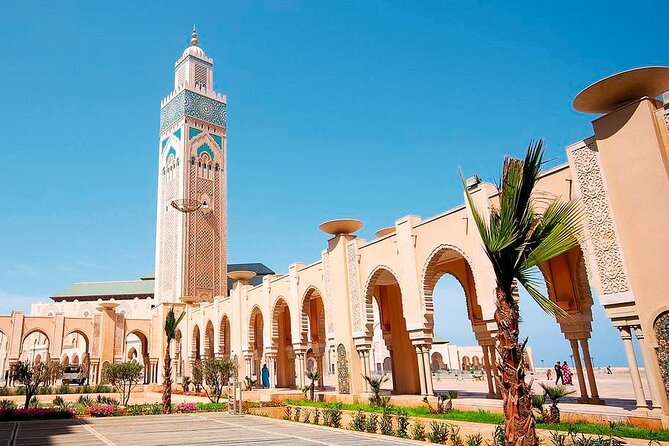
Start in Casablanca if your international flight arrives at Mohammed V International Airport. Keep the first day light. Visit the Hassan II Mosque area, walk part of the Corniche and recover from the flight. If you need accommodation ideas, our Where to Stay in Casablanca guide compares the most useful neighborhoods for visitors.
Day 2: Casablanca to Rabat
The drive to Rabat is relatively straightforward, making it a good first road day. Rabat is compact enough to explore without rushing. Spend time around the Kasbah of the Udayas, Hassan Tower and the riverfront. Our Where to Stay in Rabat guide can help you decide whether to stay near the Medina, Agdal or another district.
Day 3: Rabat to Chefchaouen
Continue north toward the Rif Mountains. Chefchaouen is better enjoyed with an overnight stay rather than as a rushed photo stop. Park outside the most confusing parts of the old town and explore on foot. For accommodation planning, use Where to Stay in Chefchaouen.

Days 4–5: Chefchaouen to Fes
Travel from Chefchaouen toward Fes and plan at least one full day in the city. Fes el-Bali is not a destination where a car is useful, so choose secure parking and explore the Medina on foot or with a local guide. Our Where to Stay in Fes and Best Riads in Fes guides are useful if you want to stay inside or near the historic center.
If you want to add a cultural side trip from Fes without moving hotels, consider our guides to a Fes to Volubilis day trip or the Middle Atlas from Fes.
Day 6: Fes to Merzouga
This is one of the longest and most rewarding road days. Leave early and treat the drive as part of the experience rather than dead time. The road through the Middle Atlas changes dramatically as you move toward the Ziz Valley and the desert edge. If you would rather not drive this section yourself, compare Fes to Merzouga tours and the broader Morocco Tours from Fes collection.
Day 7: Merzouga and Erg Chebbi
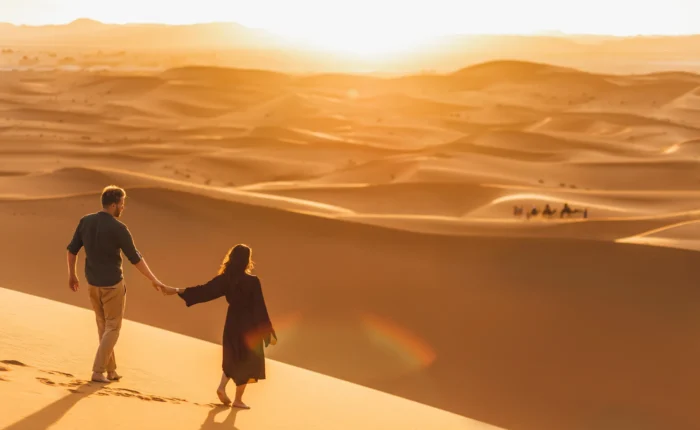
Do not arrive late and leave early if the Sahara is a priority. Give Merzouga a full day. You can explore the dunes, relax at your accommodation and stay in a desert camp. See Where to Stay in Merzouga and Best Desert Camps in Merzouga before booking.
Day 8: Merzouga to Dades Valley
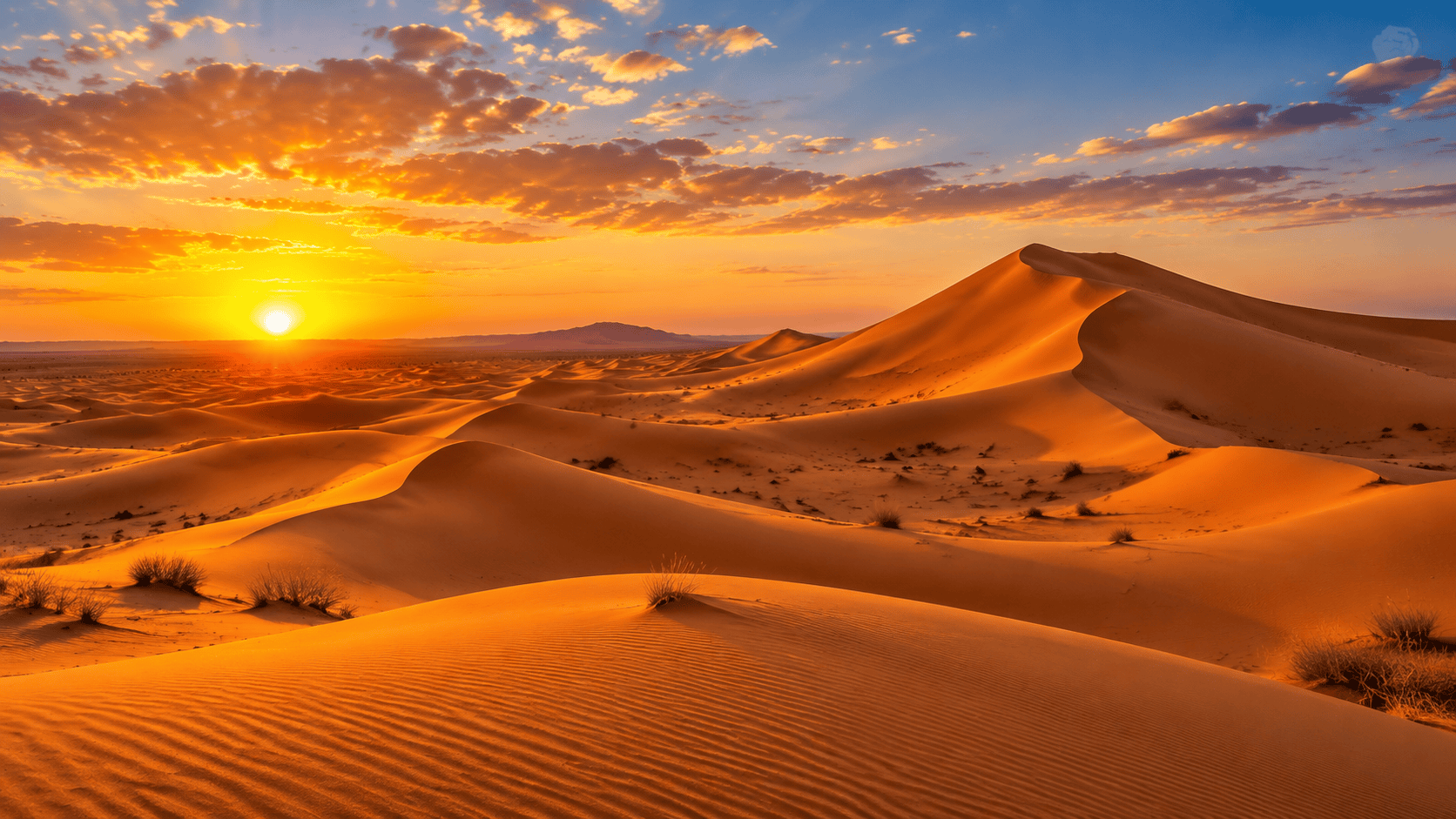
Head west through southeastern Morocco. This section is one of the reasons a road trip can be so rewarding: the landscapes change from desert plains to palm valleys, rocky gorges and traditional villages. Allow time for stops rather than planning the day only around the final hotel.
Day 9: Dades to Marrakech
Continue toward Ouarzazate and Ait Ben Haddou, then cross the High Atlas toward Marrakech. This can be a long day with many scenic stops. If you want a route without self-driving, the 3-Day Marrakech to Merzouga Desert Tour and Marrakech to Fes via Merzouga show how organized desert routes connect the same regions.
Days 10–11: Marrakech
Once you reach Marrakech, park the car and use your feet or local transport. Spend at least one full day in the Medina, Jemaa el-Fnaa, palaces and gardens. Our 10 Best Things to Do in Marrakech guide is a useful planning companion, while Best Areas to Stay in Marrakech helps you choose between the Medina and newer districts.
Should You Make It a Loop or One-Way Road Trip?
A one-way route can save time if you can fly into one city and leave from another. Casablanca to Marrakech through northern Morocco, Fes and the Sahara is more efficient than returning to the original airport. A loop is simpler for car rental logistics, but it can add several hours of backtracking.
If your trip is shorter, compare our 7 Days in Morocco Itinerary and 10 Days in Morocco Itinerary. If you have more time, the 2 Weeks in Morocco Itinerary gives you room to slow down.
Driving in Morocco: Practical Tips
The Moroccan National Tourist Office notes that cars drive on the right, road signs are commonly in French and Arabic, and rental cars are widely available. It also points out that rail and coach networks cover many major routes, so you do not necessarily need to drive every segment. Read the official Morocco transport guide before your trip.
- Avoid overloading each day. Two or three meaningful stops are usually better than six rushed ones.
- Plan parking before entering old cities. Medina streets are often unsuitable for cars.
- Refuel before remote stretches. Do not assume the next service station is close.
- Keep daytime driving for unfamiliar mountain or desert roads. Visibility and navigation are easier.
- Expect checkpoints and speed controls. Drive conservatively and follow posted limits.
- Download offline maps. Mobile coverage can vary in remote areas.
Best Time for a Morocco Road Trip
Spring and autumn are popular because temperatures are generally more comfortable across several regions. Summer can be very hot in the south and desert, while winter can bring cold nights and mountain conditions. Check our Best Month to Go to Morocco guide and confirm current local conditions before long drives.
Where to Stay on a Morocco Road Trip
Mix accommodation styles instead of booking the same type everywhere. Riads suit Marrakech and Fes, hotels are convenient in Casablanca and Rabat, and desert camps are part of the experience around Merzouga. Our Where to Stay in Morocco hub connects all of these city and region guides.
Road Trip or Private Morocco Tour?
Self-driving gives you freedom to stop when you want and change the pace. A private tour removes the stress of navigation, parking and long transfers. For travelers who want flexibility without driving, our Private Morocco Tours guide explains the alternative. You can also compare private vs group tours before deciding.
Morocco Road Trip Itinerary FAQ
Is Morocco good for a road trip?
Yes. A road trip can work very well for travelers who want flexibility and are comfortable with long-distance driving, mountain roads and city parking.
How many days do I need for a Morocco road trip?
Ten days is enough for a fast multi-region route, while 12 to 14 days gives you a better balance between driving and sightseeing.
Can I drive from Fes to Merzouga in one day?
Yes, but it is a long road day. Leave early and allow time for breaks and scenery rather than planning a tight arrival schedule.
Do I need a car in Marrakech or Fes?
No. A car is useful between destinations, but the historic centers of Marrakech and Fes are better explored on foot and with local transport.
Is it better to rent a car or take a private tour?
Renting a car offers independence. A private tour is easier if you do not want to manage navigation, parking, mountain driving or long desert transfers.
What should I include in a first Morocco road trip?
A strong first route can include Casablanca or Tangier, Chefchaouen, Fes, Merzouga and Marrakech, adjusted to your arrival airport and number of days.
Final Road Trip Planning Advice
Build your Morocco road trip around realistic driving days, not just a list of famous places. Keep enough time for Fes, Marrakech and the Sahara, and use one-way routing when it reduces backtracking. For broader destination planning, the official Moroccan National Tourist Office provides current travel information and destination overviews.
What to Pack for a Morocco Road Trip
Keep a small road-day bag separate from your main luggage. Useful items include water, sunglasses, sun protection, tissues, a power bank, charging cables and a light layer for changing temperatures. Desert and mountain areas can feel much cooler after sunset than they do during the day. If you use prescription medication, carry enough for the full trip rather than assuming the same product will be easy to find in a small town.
Paper copies or offline versions of hotel names and addresses can also help when mobile data is weak. Keep your rental documents, identification and emergency contact details easy to reach. When you park in a city, avoid leaving visible valuables inside the car.
How to Customize This Road Trip
If your priority is northern Morocco, add another night in Chefchaouen and shorten the desert section. If the Sahara is the main goal, reduce the north and use the route from Fes to Merzouga, then continue toward Marrakech. Travelers who love cities can keep Casablanca and Rabat, while nature-focused visitors may prefer extra time around the Atlas, Dades or Merzouga. The strongest itinerary is the one that reflects your priorities rather than copying every stop from a generic map.
