


Table of Contents
Looking for the best things to do in Morocco? The country is compact enough to combine imperial cities, Atlantic coastline, mountain villages and desert landscapes in one trip, but varied enough that trying to see everything at once usually produces a holiday made mostly of car seats. This guide focuses on experiences that are genuinely worth building an itinerary around, with practical links to Morocco Tours Post routes when you want to turn an idea into a workable trip.
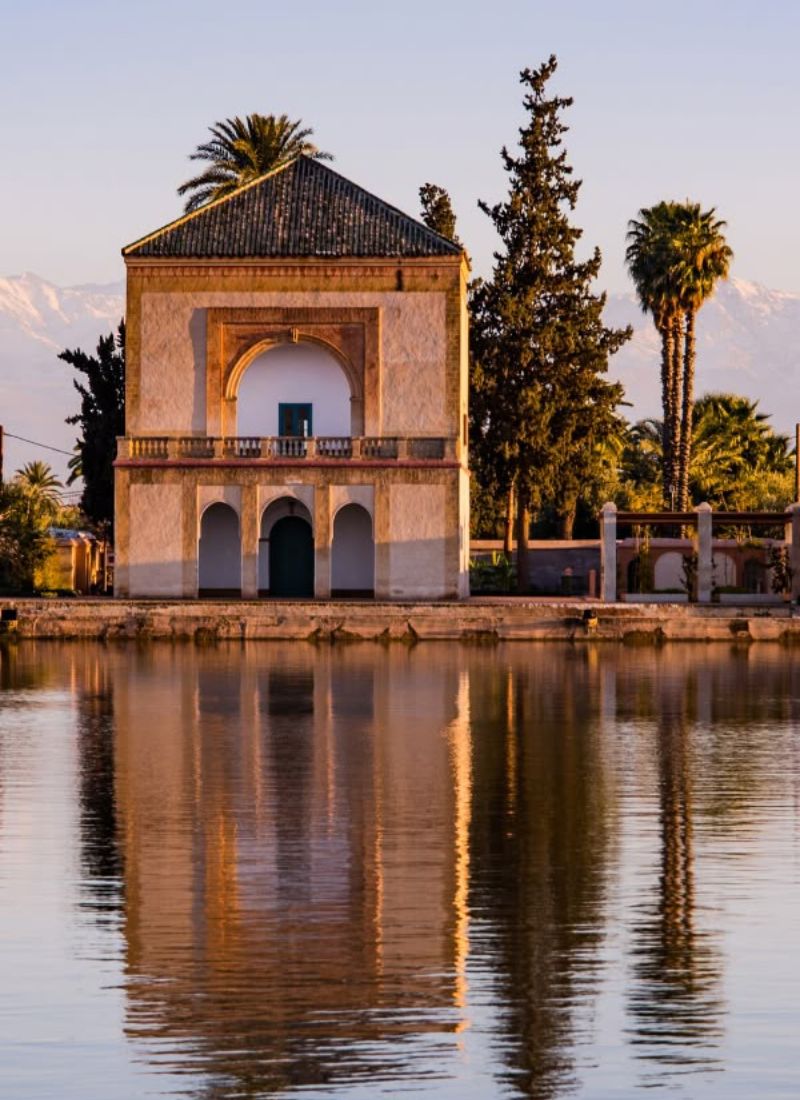
Morocco’s official tourism office highlights culture, medinas, nature, beaches, sport, wellness and food as major travel experiences, while UNESCO currently lists nine Moroccan cultural properties on the World Heritage List. That mix explains why a strong Morocco itinerary should include more than one type of destination.
Best Things to Do in Morocco
1. Explore Jemaa el-Fna and the Marrakech Medina
Start in the historic heart of Marrakech, where the medina, souks and Jemaa el-Fna create one of Morocco’s most intense first impressions. The square changes character throughout the day: mornings are calmer, while evenings bring food stalls, musicians and crowds. Give yourself time to wander rather than treating the medina like a checklist. The lanes around the square lead toward traditional markets, riads, workshops and monuments. If Marrakech is your starting point, compare our Morocco tours from Marrakech before you lock in the rest of your route.
2. See the Hassan II Mosque in Casablanca
Casablanca is often treated only as an arrival city, which wastes one of Morocco’s most distinctive urban stops. The Hassan II Mosque stands on the Atlantic coast and is the city’s signature landmark. Combine it with the Corniche, the Habous Quarter and the Art Deco centre for a much fuller day. Travellers starting here can also use the city as a practical launch point for Rabat, Chefchaouen, Fes and the Sahara. See our Morocco tours from Casablanca for multi-day options.
3. Get lost in the Medina of Fes
Fes is the place to slow down and let the old city unfold. Its medina is a dense network of alleys, workshops, food stalls, madrasas and historic buildings. UNESCO lists the Medina of Fez as a World Heritage property, and the city remains one of Morocco’s strongest destinations for traditional crafts and urban history. A local guide can be especially useful here because the medina is much harder to navigate than a normal street grid. If you are continuing south, tours from Fes connect naturally with Merzouga and the desert.
4. Sleep near the Sahara dunes at Merzouga
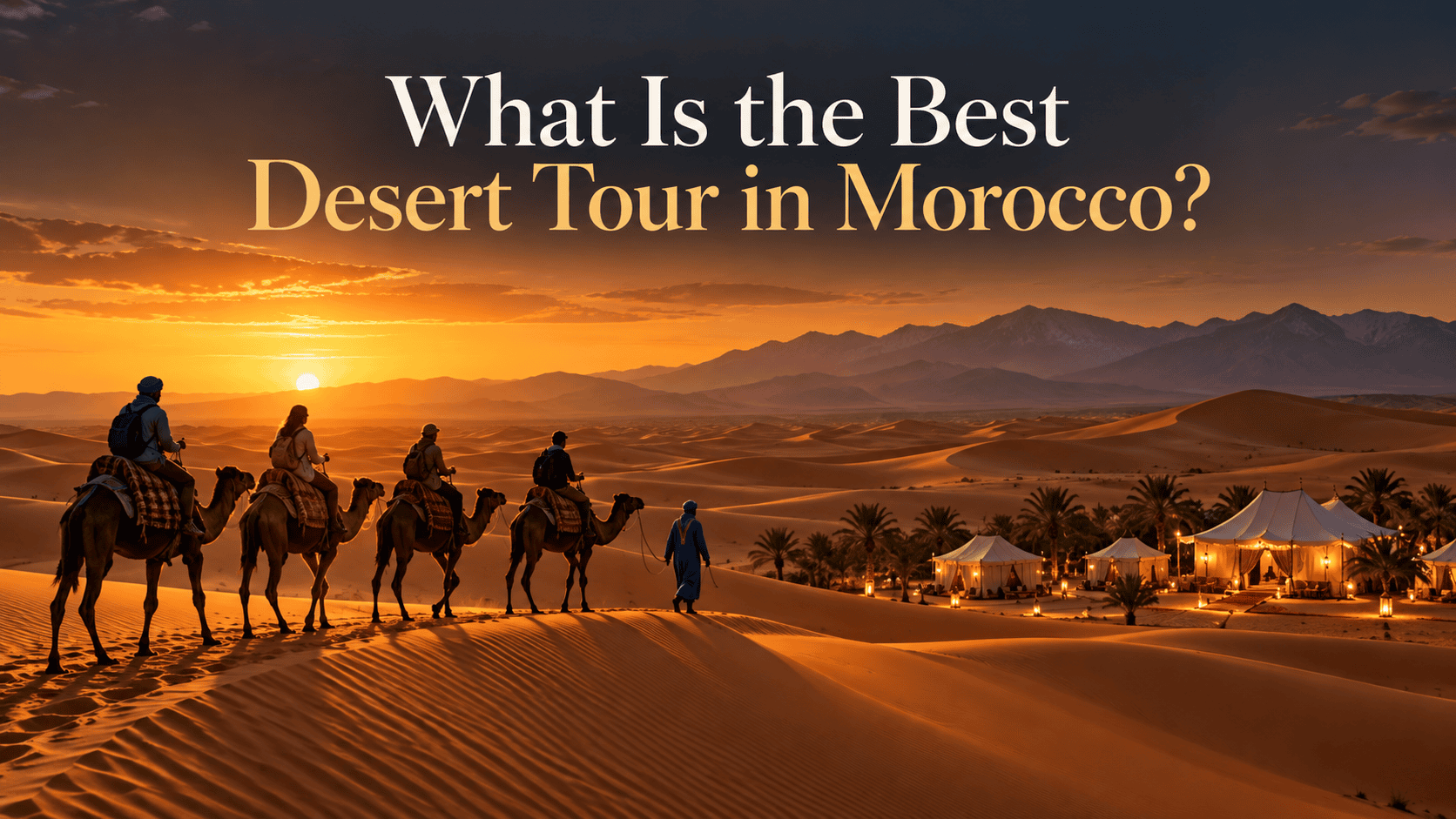
For many travellers, the Sahara is the moment that turns a Morocco holiday into a trip they remember for years. Merzouga sits beside the Erg Chebbi dune field and is a common base for camel rides, 4×4 excursions and desert camps. An overnight stay gives you both sunset and sunrise and is usually more rewarding than rushing in and out. Our guide to the best desert tours in Morocco explains the main routes and how to choose between Merzouga, Zagora and shorter desert-style experiences.
5. Hike in the Atlas Mountains
Morocco is not only medinas and desert. The Atlas range adds mountain villages, valleys, waterfalls and serious trekking. Around Marrakech, the High Atlas is easy to combine with a city stay, while longer trips can focus on Imlil, Mount Toubkal, Aït Bouguemez or multi-day village routes. Conditions change dramatically with altitude and season, so footwear, layers and a realistic plan matter more than looking heroic on Instagram for twelve minutes.
6. Walk through the blue streets of Chefchaouen
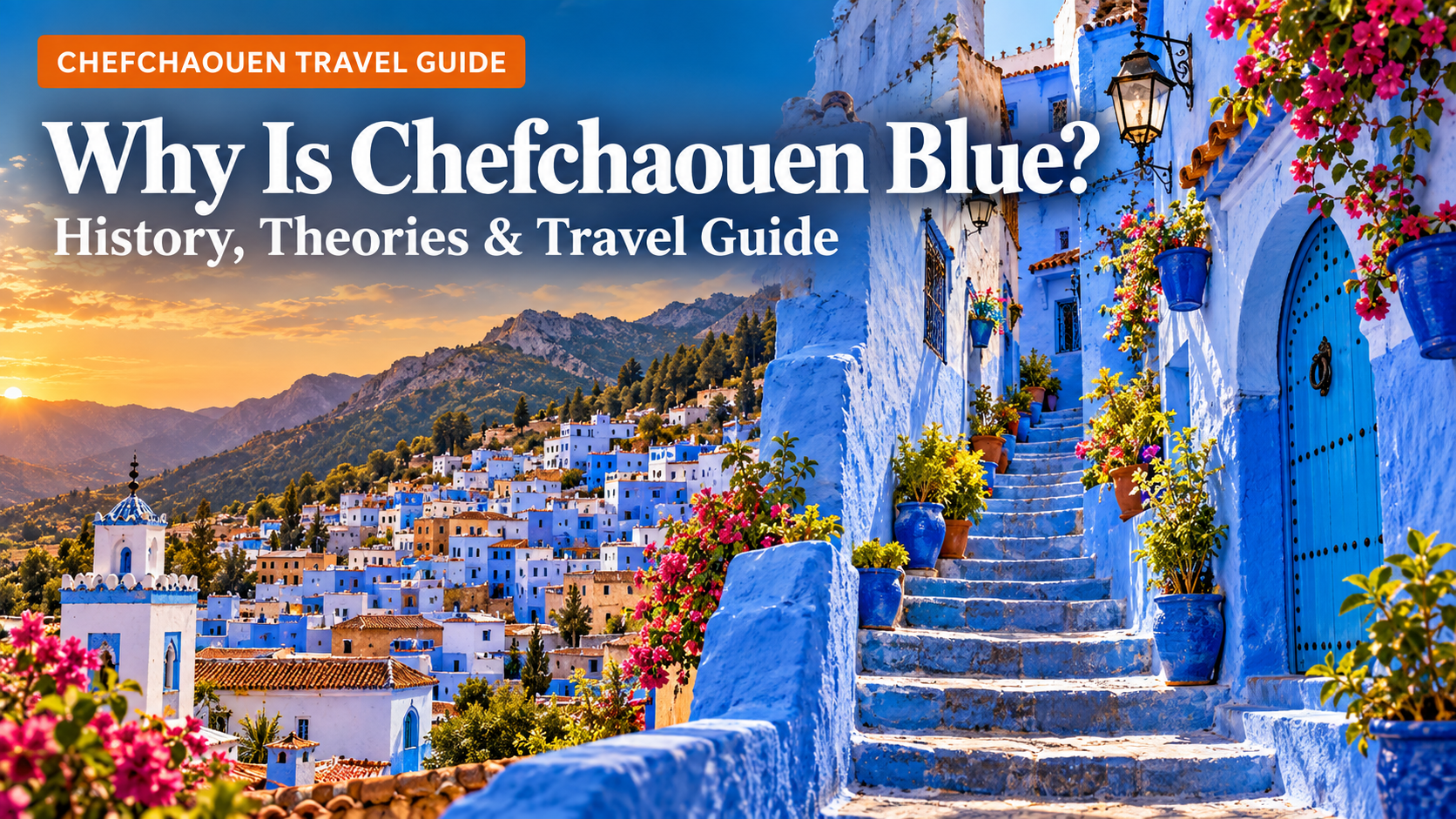
Chefchaouen is one of northern Morocco’s most photographed towns, but it works best when you stay long enough to move beyond the familiar blue stairways. Explore the medina early, walk toward Ras El Maa, climb to a viewpoint for sunset and leave room for a slow breakfast or lunch. It fits particularly well into itineraries from Tangier or Casablanca. If the town’s colour story interests you, read why Chefchaouen is blue before visiting.
7. Spend a coastal day in Essaouira
Essaouira offers a different rhythm from Marrakech and Fes. The compact medina, Atlantic ramparts, fishing harbour, galleries and windy beach make it easy to explore on foot. Seafood is a natural part of the experience, and the ocean air can be a welcome reset after several days inland. Essaouira is also one of the easiest places in Morocco to enjoy a slower schedule without feeling as if you are missing the city’s main sights.
1. Visit Aït Ben Haddou
The fortified ksar of Aït Ben Haddou is one of Morocco’s best-known earthen architecture sites and is inscribed on UNESCO’s World Heritage List. It is often visited on the road between Marrakech and Ouarzazate or as part of a desert circuit. Cross the riverbed or bridge, climb gradually through the settlement and continue toward the upper viewpoint. Late afternoon light can be beautiful, but build your timing around road conditions rather than chasing a photograph at all costs.
2. Drive through the Dades and Todra landscapes
The road east of Ouarzazate opens into valleys, kasbahs and dramatic rock formations. The Dades Valley and Todra Gorge are common stops on routes linking Marrakech with Merzouga. Todra is particularly accessible for a short walk between high canyon walls, while the surrounding Tinghir oasis is worth seeing rather than treating the gorge as a five-minute photo stop. Spending a night in the region breaks up the long journey and lets you explore when day-trip traffic is lighter.
3. Try a traditional hammam
A hammam can be one of the most memorable cultural experiences in Morocco, provided you choose the style that suits you. Local public hammams are practical neighbourhood bathing spaces, while tourist-oriented and spa hammams usually offer a gentler introduction with private treatments. Expect hot rooms, black soap, exfoliation and a lot less ceremony than glossy travel photos suggest. Ask clearly what is included and whether you need to bring sandals, toiletries or a change of clothes.
4. Eat your way through Moroccan cuisine
Tajine and couscous are only the beginning. Look for regional dishes such as tangia in Marrakech, pastilla in Fes, grilled fish on the coast, harira, rfissa, breads, olives and seasonal salads. Food tours can be useful early in a trip because they explain ingredients and give you confidence ordering later. Markets are fascinating, but use common sense with raw foods and choose busy stalls where ingredients turn over quickly.
5. Shop in the souks without rushing
Moroccan souks reward patience. Instead of trying to buy everything in one afternoon, first learn what you are looking at: rugs, leather, metalwork, ceramics, wood, spices and textiles vary enormously in quality and origin. Bargaining is common in many traditional shops, but it should still feel like a conversation rather than combat. If you are making a high-value purchase, compare several sellers and ask specific questions about material, dimensions and shipping.
6. Visit Rabat, Morocco’s capital
Rabat combines monumental history with a calmer urban atmosphere. The Kasbah of the Udayas, Hassan Tower, Mohammed V Mausoleum area, medina and Atlantic waterfront can fit comfortably into a focused day, although an overnight stay gives you more breathing room. Rabat is also a useful stop between Casablanca and northern Morocco. Browse Morocco tours from Rabat if you want to use the capital as a starting point rather than a quick stop.
7. Discover Roman history at Volubilis
Volubilis preserves the remains of an important Roman-era city near Moulay Idriss and Meknes. Mosaics, columns and the open landscape make it very different from Morocco’s medinas. Because shade is limited, morning or late afternoon is usually more comfortable in warm weather. From Fes, the site combines naturally with Meknes and Moulay Idriss on a full-day route. See our Fes to Volubilis, Moulay Idriss and Meknes day trip for the basic itinerary.
1. Surf or relax around Taghazout
The Atlantic coast north of Agadir has become one of Morocco’s best-known surf zones. Taghazout attracts beginners, experienced surfers and travellers who simply want a beach base with cafés and ocean views. Winter often brings stronger swell, while beginners can find lessons and sheltered spots through much of the year. If surfing is not your thing, use the coast for a few slower days between a busy city itinerary and the desert.
2. Experience the Agafay Desert near Marrakech
Agafay is a rocky, arid landscape outside Marrakech rather than a field of Saharan sand dunes. That distinction matters because marketing sometimes blurs the two. Agafay works well when your schedule is too short for the long road to Merzouga: you can have lunch, ride a camel, try a quad bike, watch sunset or stay in a tented camp and still remain close to Marrakech. Treat it as its own landscape and the experience makes much more sense.
3. Ride Morocco’s trains between major cities
Morocco’s rail network is useful for independent travellers moving between cities such as Tangier, Rabat, Casablanca, Marrakech, Meknes and Fes. The Al Boraq high-speed service makes the Tangier–Rabat–Casablanca corridor especially convenient. Trains will not take you into the Sahara or deep Atlas villages, so combine rail with private transfers, buses or tours where needed. For one common decision, see our comparison of Al Boraq first class vs second class.
4. Stay in a riad
A traditional riad stay can change how a medina visit feels. Many riads are arranged around an interior courtyard, creating a quiet space behind busy old-city streets. Location matters: a beautiful property deep inside the medina may involve a walk with luggage, while a riad near a gate can be easier for transfers. Compare neighbourhoods and accommodation styles in our guide to where to stay in Morocco.
5. Watch sunrise or sunset in the right place
Morocco gives you plenty of dramatic light, but you do not need to build the entire holiday around sunset photographs. Good options include desert dunes near Merzouga, Atlantic viewpoints in Essaouira and Tangier, mountain terraces in the Atlas and rooftop cafés in Marrakech or Fes. Arrive early, check whether the viewpoint closes, and keep a warm layer handy in desert and mountain areas where temperatures can fall quickly after dark.
6. Build a route that matches your travel time
The best Morocco trip is not the one with the longest list of cities. It is the route that leaves enough time to experience them. Seven days can cover a focused first-timer route; ten to fourteen days allows a far better balance of imperial cities, coast, mountains and desert. Start with our 5, 7, 10 and 14 day Morocco itineraries, then adjust around your arrival airport and the experiences you care about most.
How Many Days Do You Need in Morocco?
For a first visit, 7 days is the practical minimum for a focused route. With one week, choose either Marrakech plus the desert, a northern circuit, or an imperial-cities route instead of trying to cover the entire country. Ten days gives you room to combine Marrakech, Fes and the Sahara with less rushing. Two weeks is much better if you also want Chefchaouen, Essaouira, the Atlas Mountains or several coastal stops.
If you only have three or four days, stay regional. Marrakech plus Agafay or the High Atlas works; Casablanca plus Rabat works; Tangier plus Chefchaouen and Tetouan works. The mistake is spending half a short holiday in transit simply because every map pin looked attractive at midnight while planning.
Best Time for These Morocco Experiences
Spring and autumn are popular because temperatures are generally easier for city walking, mountain excursions and desert routes. Summer can be excellent on the Atlantic and Mediterranean coasts but very hot inland, especially in southern and desert regions. Winter can bring comfortable daytime weather in several cities, cold nights in the desert and snow in the High Atlas. There is no single perfect month for the whole country, so match the season to your route. Our best month to go to Morocco guide compares the year in more detail.
How to Organize Your First Morocco Trip
Choose an arrival and departure city first, then add experiences in geographical order. Open-jaw flights can save a lot of backtracking. Trains are useful between major northern and central cities; private transfers, rental cars and organised tours become more useful in mountain and desert regions. If you plan to drive, read our Morocco car rental guide before booking.
Also leave unscheduled time. Morocco is at its best when you can sit in a café, talk with a guide or shopkeeper, wander a medina and change your plan because somebody told you about a place that was not in your spreadsheet. Humanity has invented spreadsheets for travel, naturally, but the country does not have to obey them.
Frequently Asked Questions
What is Morocco best known for?
Morocco is known for historic medinas, traditional crafts, diverse food, the Atlas Mountains, Atlantic and Mediterranean coasts, Saharan landscapes and cities such as Marrakech, Fes, Chefchaouen and Casablanca. See our full guide to what Morocco is known for.
What are the top three things to do in Morocco for a first visit?
A first-time traveller usually gets the strongest contrast by combining a historic medina such as Marrakech or Fes, a mountain or desert experience, and at least one different urban or coastal stop. The exact three should depend on your arrival city and trip length.
Is Morocco easy to travel around?
Major cities are connected by trains and buses, while desert, mountain and rural routes usually require road transport. The country is straightforward to plan once you stop trying to fit every major destination into the same week.
Should I book Morocco tours in advance?
For high-demand periods, private multi-day tours, desert camps and special accommodation, advance booking is sensible. For ordinary city activities you can often retain more flexibility, although opening hours and tour schedules should always be checked close to travel.
Do I need cash in Morocco?
Cards are common in many hotels, restaurants and larger shops, but cash remains useful in medinas, smaller businesses, markets, taxis and rural areas. Carry smaller denominations rather than relying only on large notes.
External references: Moroccan National Tourist Office and UNESCO World Heritage Centre.
